These records are found in the online catalog of The Mariners’ Museum and Park in Newport News, Virginia. Uncurated search results are presented to give researchers and interested readers an idea of whether the museum’s archives contain information about this vessel and whether it may be worthwhile to visit the museum’s catalog search page for further investigation. Uncurated results may be inaccurate or incomplete.
Mariners Museum online catalog search, July 12, 2026. Search phrase: "Amos". Catalog returned 66 records; this selection table includes 66 records fetched through catalog result pages.
Use these buttons to send uncurated search results to your own app or text document for further research. First, check the box for any row, or click "Select All" then uncheck any rows. Then click "Show Selections". You can then copy your selections from the text box and past them into your app.
B-11035 - Broadside view of the AMOS KENDALL, docked at the southside of Pier 2, inshore, NAB, HRPE, Norfolk, Va. 11-29-44 Official Photograph, U. S. Army Signal Corps, HRPE, Newport News, Va. "CONFIDENTIAL" stamped in red ink
B6948 - Broadside view of the HR 75 docked at the north side of pier A, United Nations Pier, Sewells Point, Va., just prior to sailing. 3-22-44 Official Photograph, U. S. Army Signal Corps, HRPE, Newport News, Va. "CONFIDENTIAL" stamped in red ink
Front quarter view of the Amos Kendall at pier. Another ship, unnamed, has been moored behind it, and there is a large crane attached to the warehouse on the pier.
Steamboats–United States.; Tugboats–United States.
Shows a distant, starboard side view of a tugboat making way. This negative is dark and some details are lost. Also there is peeling of the emulsion and thumbtack holes. Stanton's notebooks contain the following information about this item: "Apl 30, 1895"
Portrait of Pfc. Amos Williams, 34754975, Camp Hill, HRPE, Birmingham, Ala. Photo taken at the Photographic Laboratory, HRPE, Newport News, Va., for the Port Paper.
African American boxers–Virginia–Newport News.
Portrait of a boxer. He is shirtless and in his trunks. He is posed with both fists raised as if he were ready to fight, but he is not in a boxing ring.
15 MIDDLE STREET - PADANARAM - MASSACHUSETTS - UNITED STATES - Artist; NEW BEDFORD - MASSACHUSETTS - UNITED STATES - Related Place
SHORT DESCRIPTION: Oil painting titled 'Amos Peggs Drying Sails' by New Bedford artist Harry A. Neyland. The painting is signed and dated in black in the lower right corner. The vessel is shown with its starboard side against the wharf. The sails hang limply from the yards drying in the sun. A small catboat sits near the Amos Peggs' bow, and a man on board appears to be mending a sail with is draped over the vessel's boom. To the left is the stern of a schooner with a green hull which also appears to be drying its sails. The stern of a small sailboat, possibly a catboat, sits at the bottom right corner. High thin clouds are in the sky across the top of the painting. NOTES: Amos Peggs was home ported in New Bedford in the early 1920s which may be when Harry Neyland observed her. A photograph by Albert Cook Church in the collection of the New Bedford Whaling Museum (object number 2000.100.86.685) shows the bark Amos Peggs/Pegs drying sails. In the image Harry Neyland stands at his easel in the right, foreground creating this painting. See attached photograph. NOTES: The original records for this painting state the Amos Peggs was a Portuguese packet, but this seems to be slightly misleading. The ship when originally built sailed for German (see Record of American and Foreign Shipping, 1889) and Norwegian owners (see Record of American and Foreign Shipping, 1900). The ship was purchased by New Bedford owners and was used on the American trade and trade to Cape Verde, which may be where the "Portuguese packet" term originated. NOTES: Harry Neyland was an American painter, sculptor, illustrator, and copyist. His style was essentially American Impressionistic and his compositions covered a wide variety of genres: landscapes, townscapes, ships, marine, harbors, and London and Paris scenes. Neyland was an expert on the whaling industry who would give lectures on whaling and ships during exhibitions of his marine paintings. A 1948 Lowell “Telegraph” article, indicated he had a solo show of over seventy ship paintings at the Whistler House Museum of Art and presented a forty-five minute motion picture of the whaling days and recent times of New Bedford. Neyland was a resident of New Bedford from 1911 and until 1938 maintained a studio on Cuttyhunk island at the entrance to New Bedford harbor. Harry Neyland was instrumental in the saving and preserving of the famous whaleship Charles W. Morgan. While berthed in Fairhaven in 1924, the Morgan was nearly destroyed when the steamer Sankaty caught fire and broke free of her mooring lines and drifted into Morgan's port quarter. Luckily, the Fairhaven firemen managed to save her. After the near disaster, Neyland and some other New Bedford citizens tried to restore and preserve the Morgan, but their attempts were unsuccessful. Neyland persuaded Colonel Edward Howland Robinson Green, the grandson of Edward Mott Robinson, who had been a part owner of the Morgan and from 1849 to 1863 had acted as the vessel's agent for his wife's (Hetty Robinson Green) business (Isaac Howland and Company, who were the other principle owners) to save the ship. Green had the ship towed to his estate in Round Hill (Dartmouth, Massachusetts) and founded Whaling Enshrined, which consisted of himself, Neyland, and John Bullard, the great-grandson of Charles Waln Morgan. The Morgan was restored and kept at Dartmouth until 1941 when it was acquired by the Marine Historical Association (now Mystic Seaport Museum). The Mariners' Museum and Park's collection holds eleven paintings by Neyland. Five form a series titled 'The Story of the Ship' (QO 1-QO 5), three show views of the whaleship Charles W. Morgan under repair (QO 6) and sailing (QO 9, QO 10) , and the remaining three show view of the schooner Fairhaven (QO 11), the bark Coriolanus (QO 7), and the packet ship Amos Peggs (QO 8). VESSEL INFORMATION VESSEL NAME: AMOS PEGGS (or PEGS) VESSEL TYPE: WOOD BARKENTINE VESSEL BUILT: 1877- BUILDER: J. Ahlers BUILDER LOCATION: ELSFLETH, GERMANY ALTERNATE NAMES: VINETA (1877-1919), AMOS PEGGS (1919-1923) DIMENSIONS: 621 tons, 157 feet length FATE: According to the Fall River Daily Evening News, August 24, 1923, page 1, The New Bedford owned wooden barkentine Amos Peggs, was wrecked off Axim on the West Coast of Africa several weeks ago (March 19) on a passage to Boston with a cargo of mahogany logs for Palmer & Parker and is a total loss. By 1914 the ship was owned by Atlantic Coast Lumber Corporation (name Vineta retained) and home ported in New York. On June 5, 1918, page 11, the Jacksonville Journal reported that the bark Amos Peg, her boats, tackle, apparel and furniture, had been seized by the district court after a suit was filed by Valk & Murdock Company. In 1919 the owner is listed as Juell Transportation Corporation, W. A. Nickerson captain, still home ported in New York. In 1923 the ships owner is Jose M. Domingues and the ship is home ported in New Bedford, Massachusetts. Lloyds spells the name PEGGS in 1920 and PEGS in 1922 and 1923. VESSEL HISTORY: Lloyd's Register of Shipping 1905 Sailing Vessels lists Vineta and American owned (J. T. Walsh) and registered in the port of Mobile. The Baltimore Sun, April 14, 1920, page 10 reports: An Ancient Sailing Craft Visits Port, Comes Here Under Tow. Under tow from Philadelphia, the wooden barkentine Amos Peggs, which has recorded 43 years of active service, came into port yesterday. She was built at Elfsleth, Germany, in 1877, as the Vineta, and sailed for many years until she got into trouble and became an American vessel. The demand for sailing vessels during the war restored her sails. The Peggs is 157 feet long and 602 tons net register. The Sunday Standard Times (possibly New Bedford), in an article titled "Cape Verde Packets Have a Place in Annals of Area's Sea Disasters" reports: Lost Off Africa, There was the big barkentine Amos Pegs that was purchased for the Cape Verde trade. Her last trip out of New Bedford was in November 1922. Like most of the packets sailing to the islands, she was used in freighting and trading with the African coast ports during off seasons. In March 1922, while loaded with 436 mahogany logs for Boston, the Amos Peggs sank in dock at Axim on the African Gold Coast after having sprung a leak. The vessel was beached near Axim on March 19 and the crew returned to New York on the steamer West Hesseltine. A later article states that the vessel was wrecked off the port of Axim.
Camp Hill heavy weights, Pvt. Amos Williams, 34756975, Birmingham, Ala., and Pfc. Joseph Scott, 38558950, Corpus Christi, Texas. Photo was made in Camp Hill Gym for publicity purposes.
African American boxers–Virginia–Newport News.; African American soldiers.
Two men, bare chested and in boxing gloves and trunks, pose for the camera with their gloves raised.
The trial of Alexander McLeod, for the murder of Amos Durfee, and as an accomplice in the burning of the steamer Caroline in the Niagara River during the Canadian Rebellion in 1837-8
"L5661 - Capt. Amos G. Allen Jr. and men of 1666E. 12-13-43 Official photograph U.S.Army Signal Corps, HRPE, Newport News, Va."; stamped in red "Secret"
Portrait of Pfc. Amos Williams, 34754975, Camp Hill, HRPE, Birmingham, Alabama and S/Sgt. James Edgar, 36554721, Camp Hill, HRPE, Detroit, Michigan. Photo taken at the Photographic Laboratory, HRPE, Newport News, Va., for the Port Paper.
African American boxers–Virginia–Newport News.
Shows two boxers shirtless and in their trunks. They are each posing with a boxing trophy.
Pvt. Amos Williams, 34754975, 3167th QM Co., Ensler, Alabama, mixes it up with S 1/C Jessie Lee Moore, 552046, Cincinnati, Ohio, Camp Perry, Va., at the fights held at Camp Hill, Pvt. Williams won the fight by a decision. Photo for PRO.
African American boxers–Virginia–Newport News.; African American soldiers.; African American sailors.
Action shot of a boxing match in progress. One fighter is leaning right to dodge the other's left jab.
Pvt. Amos Williams, 34754975, 3167th QM Co., Ensler, Alabama, mixes it up with S 1/C Jessie Lee Moore, 552046, Cincinnati, Ohio, Camp Perry, Va., at the fights held at Camp Hill, Pvt. Williams won the fight by a decision. Photo for PRO.
African American boxers–Virginia–Newport News.; African American soldiers.; African American sailors.
Action shot of a boxing match in progress. One fighter is leaping backwards to dodge the other's right hook while the referee watches attentively.
British Columbia–History.; British Columbia–Bibliography
Bancroft, Hubert Howe, 1832-1918. Works ; v. 32.
According to W. A. Morris, this work was actually written by Bancroft, William Nemos, Amos Bowman and Alfred Bates. cf. Quarterly of the Oregon hist. soc., v. 4, p. 287-364.
L8224 - Capt. Harry R. Heenan, 0-1581170, CO of unit 9951-F with M/Sgt. Amos McNab, 380535581. 5-22-44 Official Photograph, U. S. Army Signal Corps, HRPE, Newport News, Va. Photo taken at Pier 4, HRPE, Newport News, Va., just prior to their embarkation. Major Jones is shown at right. "SECRET Authority WD Cir 346 October 15, 1942 Initials WCS Date 8 JUNE 1944" stamped in red ink.
Embarkation (Military science).
A group of soldiers, ready to embark with bags and packs, poses for the camera in a warehouse before embarking.
United States–History–Biography–Revolution, 1775-1783
American military and naval biography : - containing the lives and characters of the officers of the Revolution : together with some of the most eminent statesmen of that interesting period : to which are added the life and character of Benedict Arnold, and the circumstances of the capture, trial and execution of Major Andre - compiled from authentic sources by Amos Blanchard
SHORT DESCRIPTION: Handcrafted model of the 40' sloop Emma Frances. The model is made from wood from the ship's timbers. NOTES: John Harvey Yoder and friend Amos Brenneman purchased the sloop with a friend and used the vessel to haul freight (wood) and tonged for oysters. It was purchased from A.K. Dawson of Menchville. Mr. Yoder indicated that he could haul nine cords of wood cut in four foot lengths. Mr. Yoder wrote about his experiences with the vessel in the 1971 publication "Neighborhood Profiles and Vistas."
NOTES: Sketchbook No. 2 of pencil drawings created by Antonio Jacobsen from 1878 to 1918 for his artworks. VESSELS LISTED IN SKETCHBOOK NO. 2, 1885 OCEAN KING (Screw Tug) (Vessel Built 1884) F. DASSORI (Screw Tug) (Vessel Built 1879) TANTALLON (Screw Steamship) (Vessel Built 1879) LAWRENCE C. WARD or LAWRENCE WARD (Screw Tug) (Vessel Built 1884) J.G. EMMONS (Steam Paddle Wheel) (Service Dates 1854-1908) N.B. MORRIS (Bark) (Service Dates 1880-1902) ALICIA (Screw Steamship) (Service Dates 1883-1905) UTOWANA (Steam Yacht) (Vessel Built 1883) [HERMAN CORTEZ?] (Screw Steamship) AMOS C. BARSLOW (Screw Steamship) (Vessel Built 1873) WINDHOVER (Bark) (Vessel Built 1868) ELECTRA (Screw Yacht) (Vessel Built 1884) BENEFACTOR (Screw Steamship) (Service Dates 1870-1912) OLINDA RODRIGUES (Screw Steamship) (Service Dates 1874-1905) LIBERIA (Bark) (Vessel Built 1872) CITY OF ROME (Screw Steamship) (Service Dates 1881-1902) FRANCES (Steam Paddle Wheel) (Vessel Built 1864) ROMAN (Screw Steamship) (Vessel Built 1884) GEORGE W. PRIDE,JR. (Screw Tug) (Vessel Built 1883) CYNTHIA (Screw Steamship) (Vessel Built 1880) CAMDEN (Screw Steamship) (Vessel Built 1878) (Sister Ship, JESMOND) GEORGE STARR (Steam Paddle Wheel) (Service Dates 1862-1914) CARMONA (Screw Steamship) (Vessel Built 1881) ANNA J. KIPP (Steam Tug) (Vessel Built 1873) MARTHA (Screw Steamship) (Vessel Built 1884) NEPTUNE (Screw Steamship) (Service Dates 1864-1905)
WRITTEN ON VERSO: BUILT 1926, AT JACKSONVILLE, FLA., BY GIBBS GAS ENGINE CO. OWNED BY AMOS HARKER. 248 T. 114.6 X 24.5 X 10. RENAMED POLING BROS. NO. 18. BUINED JULY 19, 1952.
NOTES: Engraving Plate From S.W. Stanton's "American Steam Vessels". VESSEL INFORMATION: VESSEL NAME: PRINCETON VESSEL BUILT: 1845 SHIPBUILDER: SAMUEL HUBBELL SHIP'S DESIGNER: AMOS PRATT HUBBELL BUILDER LOCATION: PERRYBURG, OHIO VESSEL DIMENSIONS: 185 (l) x 27'' (breadth of beam) x 10' (depth of hold) VESSEL HISTORY: The PRINCETON was the first propeller on the Great Lakes that had one of a fleet of 14 steamers forming the line of passenger boats from Buffalo to Chicago. NOTES: Samuel Ward Stanton (American, 1870-1912) Liveliness and accuracy were the hallmarks of Stanton's drawings. His love of the steamboat and his intimate knowledge of the permutations of its uses prompted him to produce AMERICAN STEAM VESSELS in 1895. The material shown here offers a glimpse of the range of this talented artist. Returning home from Spain in 1912, Stanton chose to sail on the ill-fated TITANIC and drowned.
NEW YORK - NEW YORK - UNITED STATES - Manufacturer; WATERBURY - CONNECTICUT - UNITED STATES - Manufacturer
SHORT DESCRIPTION: Navy blue officer's dress uniform including jacket and pants for the United States Lines. The uniform was made by All-Bilt Uniforms, Inc. of New York, New York. The jacket has six gold buttons with the United States Lines eagle logo. The buttons were made by the Waterbury Button Company of Connecticut. The sleeves contain four gold stripes with one star over top. There is a United States Naval Reserve Merchant Marine insignia on the left chest. The uniform was worn by Captain Richard Warren Ridington while serving aboard the SS United States. NOTES: Richard Warren Ridington (1923-2011): After high school, Ridington became a cadet at the Pennsylvania Maritime Academy. After the Academy’s training vessel was commandeered by the US Navy in WWII Ridington enrolled in the US Merchant Marine Academy, Kings Point, New York and graduated in 1942. Ridington was hired by the United States Lines and remained with the company until his retirement. His first ship was the liberty ship Joseph H. Hollister. He also served aboard Shooting Star (1944-1945), SS America (1946-1948), American Press (1949), American Ranger (1950-51), Amos G. Throop (1951; his first command), United States (1952-1969), and the military cargo vessel American Chieftan (1969). He served as the first or second officer on most of these ships. Ridington joined the United States in 1952 while still a lieutenant commander and served as first officer and navigator. He worked his way up to chief officer and became executive officer and relieving master in 1955. His first crossing as master began on April 23. In 1967, Commodore Alexanderson was master and Ridington was his executive officer. When United States was laid up, Ridington sailed US Lines ships as troop and material transports to Vietnam. Ridington entered the US Naval Reserves on 5/17/1943 and is listed in the registers as a LTJG between 1943 and 1958.
SHORT DESCRIPTION: Navy blue baseball cap, size 7, for the captain of a United States Lines ship. Made by the Matsuo Trading Co. Inc. in Yokohama, Japan most likely sometime between 1965 and 1975. NOTES: The cap belonged to Captain Richard Ridington but appears never to have been worn. Richard Warren Ridington (1923-2011): After high school, Ridington became a cadet at the Pennsylvania Maritime Academy. After the Academy’s training vessel was commandeered by the US Navy in WWII Ridington enrolled in the US Merchant Marine Academy, Kings Point, New York and graduated in 1942. Ridington was hired by the United States Lines and remained with the company until his retirement. His first ship was the liberty ship Joseph H. Hollister. He also served aboard Shooting Star (1944-1945), SS America (1946-1948), American Press (1949), American Ranger (1950-51), Amos G. Throop (1951; his first command), United States (1952-1969), and the military cargo vessel American Chieftan (1969). He served as the first or second officer on most of these ships. Ridington joined the United States in 1952 while still a lieutenant commander and served as first officer and navigator. He worked his way up to chief officer and became executive officer and relieving master in 1955. His first crossing as master began on April 23. In 1967, Commodore Alexanderson was master and Ridington was his executive officer. When United States was laid up, Ridington sailed US Lines ships as troop and material transports to Vietnam. Ridington entered the US Naval Reserves on 5/17/1943 and is listed in the registers as a LTJG between 1943 and 1958.
This collection of materials, much of which pertains to the United States Lines passenger service, centers around a U.S. Lines officer and his brother. The bulk of the collection contains ephemera collected aboard SS United States in April-May 1965, when the brothers and their wives were traveling together on the vessel. Richard, acting in his capacity as Relieving Master of the ship, is photographed in his captain's uniform at a formal dinner, and he is seated with his wife, his brother, and his brother's wife. The collection contains other ephemera pertaining to US Lines ship SS United States on other voyages, and to SS George Washington. The rest of the collection contains material of a biographical nature about Richard W. Ridington.
NEW BEDFORD - MASSACHUSETTS - UNITED STATES - Artist
SHORT DESCRIPTION: Oil painting on board titled 'After the Storm' by New Bedford artist Harry Neyland. The image shows the bow of a whaleship, with its topmasts gone in heavy seas - only the bow, foremast and main mast are visible above the waves. The two lower yards remain on the foremast with the ragged remains of sails blowing in the wind. There are no yards remaining on the mainmast. The scene appears to be taking place at sunrise or sunset and the various position of birds at the left side and of the sails indicates the wind is still gusty. Dark clouds across the top of the canvas have lighter highlights from the rising or setting sun. NOTES: This is one of a group of five oil paintings from a series by New Bedford artist Harry Neyland titled "The Story of the Ship". The paintings included in the series are QO1, Building the Ship; QO2, Fitting Out; QO3, Under Sail; QO4, After the Storm; and QO5, The Derelict. NOTES: Harry Neyland was an American painter, sculptor, illustrator, and copyist. His style was essentially American Impressionistic and his compositions covered a wide variety of genres: landscapes, townscapes, ships, marine, harbors, and London and Paris scenes. Neyland was an expert on the whaling industry who would give lectures on whaling and ships during exhibitions of his marine paintings. A 1948 Lowell “Telegraph” article, indicated he had a solo show of over seventy ship paintings at the Whistler House Museum of Art and presented a forty-five minute motion picture of the whaling days and recent times of New Bedford. Neyland was a resident of New Bedford from 1911 and until 1938 maintained a studio on Cuttyhunk island at the entrance to New Bedford harbor. Harry Neyland was instrumental in the saving and preserving of the famous whaleship Charles W. Morgan. While berthed in Fairhaven in 1924, the Morgan was nearly destroyed when the steamer Sankaty caught fire and broke free of her mooring lines and drifted into Morgan's port quarter. Luckily, the Fairhaven firemen managed to save her. After the near disaster, Neyland and some other New Bedford citizens tried to restore and preserve the Morgan, but their attempts were unsuccessful. Neyland persuaded Colonel Edward Howland Robinson Green, the grandson of Edward Mott Robinson, who had been a part owner of the Morgan and from 1849 to 1863 had acted as the vessel's agent for his wife's (Hetty Robinson Green) business (Isaac Howland and Company, who were the other principle owners) to save the ship. Green had the ship towed to his estate in Round Hill (Dartmouth, Massachusetts) and founded Whaling Enshrined, which consisted of himself, Neyland, and John Bullard, the great-grandson of Charles Waln Morgan. The Morgan was restored and kept at Dartmouth until 1941 when it was acquired by the Marine Historical Association (now Mystic Seaport Museum). The Mariners' Museum and Park's collection holds eleven paintings by Neyland. Five form a series titled 'The Story of the Ship' (QO 1-QO 5), three show views of the whaleship Charles W. Morgan under repair (QO 6) and sailing (QO 9, QO 10) , and the remaining three show view of the schooner Fairhaven (QO 11), the bark Coriolanus (QO 7), and the packet ship Amos Peggs (QO 8). NOTES: The Sunday Standard (New Bedford, Massachusetts) of March 30, 1924, page 5 carries an article titled 'Neyland's Painting "Under Sail" Takes Popular Prize at Boston, New Bedford artist depicted Story of Ships in Five Sketches.' The article states: "Under Sail" a painting by Harry Neyland, director of the Swain Free School of Design, of this city, received the popular prize at the exhibition and sale of intimate paintings of the Boston Art Club yesterday afternoon. The painting is one of five exhibited by Mr. Neyland illustrating the story of the ship...The five picturesof Mr. Neyland's group were entitled: "Building the Ship", "Fitting Out", "Under Sail", "After the Storm", and "The Derelict". The pictures will be on exhibit at the Boston Art Club at 159 Newbury street, until April 19. The Boston Post of April 17, 1924, says: " 'Under Sail', a charming little painting by Harry Neyland, has intense blue water upon which sails a ship, its white sails strikingly separated from the vibrant blue sky. It was awarded first prize by popular vote of the visitors on the opening day."
SHORT DESCRIPTION: In the center of the obverse three men are depicted in a boat in a heavy sea. One of the men is rowing the boat while another is standing, preparing to throw a line. The third figure is reaching out to help a fourth figure, a mariner in distress, who is clinging to a spar. In the distance to the left is the wreck of a ship. The entire scene is contained within a raised border. In the upper third of this border, and following the contour of the medal, are the words, UNITED STATES OF AMERICA in raised letters; and in the bottom third, the words ACT OF CONGRESS AUGUST 4, 1949. The scene is a symbolic representation of a courageous rescue at sea, which represents the purpose of this medal. In the center of the reverse is an ornate monument. An American eagle with displayed wings is perched atop the monument, and to its left is the figure of a woman holding an oak wreath in her left hand, and with her right hand she is preparing to inscribe the name of the recipient on the monument. To the right of the monument a mast, a yard with a sail, an anchor, a sextant, and a spray of laurel are grouped together. The monument and figures are contained within a raised border which bears the inscription in raised letters, IN TESTAMENT OF HEROIC DEEDS IN SAVING LIFE FROM THE PERILS OF THE SEA. At the bottom of the medal, separating the beginning and ending of the inscription, is a stylized laurel wreath. The medal is inscribed to 'James H. Price, 27 July 1975'. The ribbon has a broad center stripe of gold separated from red edge stripes by narrow pinstripes of white. Part C of this accession is a leather folder containing the citation for the lifesaving medal. It is 8-5/8" (length) x 11" (height) x 5/8" (depth). It bears the inscription: UNITED STATES COAST GUARD 1790 (with seal on front of case) NOTES: Awarded to Mr. Price for a lifesaving action on 27 July 1975 at Jones Marina, Hampton, Virginia, during which he rescued four people from a burning power boat. The Gold Lifesaving Medal is awarded by the Commandant of the Coast Guard to any person who rescues, or endeavors to rescue, any other person from drowning, shipwreck, or other peril of the water. To merit award of the Gold Lifesaving Medal, the rescue must be made at the risk to one's own life and show extreme heroic daring. The rescue or attempted rescue must either take place in waters within the United States or subject to its jurisdiction, or one of the parties must be a citizen of the United States or be from a vessel or aircraft owned or operated by citizens of the United States. The Gold Lifesaving Medal was designed by Hermann Faber and sculpted by Anthony C. Paquet. NOTES: Text of newspaper article (possibly the Daily Press), published sometime in 1973 or 1974: Price Among ‘Select’ With Newest Award, By P. J. Budahn, Military Reporter. The nation’s highest award for lifesaving was presented to a Hampton man Tuesday. James H. Price, 46, was given the Gold Lifesaving Medal for his actions July 27, 1973, when he pulled four people from the waters of Hampton Creek following a cabin cruiser explosion. “You join a select group of people who have demonstrated the ultimate in their service to humanity,” Rear Adm. Ross P. Bullard, commander of the Fifth Coast Guard District, told Price while presenting the award. Congress established the Gold Lifesaving Medal in 1874 to recognize exceptional courage in rescuing people from drowning, shipwreck and other perils on the sea. The award has been given only 29 times in the past five years and 582 times in its hundred-year history. Price, a tug boat captain, qualified for the award last summer. The cabin cruiser Joi exploded while refueling at a marina in the Hampton River. Price was nearby in a 16-foot motorboat at the time of the explosion. “Disregarding his own personal safety and ignoring the flaming boat just a few feet away, he immediately maneuvered his small boat close (to) the victims in the water,” the citation reads. Price pulled four persons from the inferno. One of them later died; three others were killed by the initial explosion. Among those rescued was a four-month old baby that was not breathing. Price revived the infant by turning him over and spanking him. The local seaman received third degree burns on the face, scalp and arms in the rescue effort. The award citation commends Price’s “extreme and heroic action” which are in keeping with “the highest traditions of humanitarian service.” Price’s heroism has brought him special commendations by the Hampton City Council and the Coast Guard. Text of article appearing in The Danville Register, Saturday, July 28, 1973, page 3: At Hampton, Eight Injured in Boat Explosion, Hampton (AP)—Eight persons were injured, four of them critically, Friday when the 50-foot cabin cruiser Joi exploded moments after it had taken on a supply of gasoline at a Hampton refueling dock. All of the injured suffered burns. Least seriously injured were a 4-month-old baby and a man from a nearby boat who was credited with rescuing four of the Joi’s occupants. Flames spreading from the blazing boat partially destroyed the fueling dock, and a 35-foot sailboat suffered damaged estimated at $10,000 when wind blew the cabin cruiser around a corner of the dock. The critically injured were: Burnette Woods, 25; his wife Vivian, 25; and Mrs. Ursula Lester, 47, all of Washington, D.C.. who were taken to the Medical College of Virginia Hospital in Richmond. Asa Jenerett, 44, of Hampton, who was taken to Norfolk General Hospital. Amos Wynder, 43, of Hampton, was listed in “guarded” condition at the Norfolk hospital. Mrs. Almeda Woods, 47, of Washington, Anthony Woods, the 4-month-old son of Mr. and Mrs. Burnette Woods, and James Price, 46, of Hampton, were taken to Hampton General Hospital. Mrs. Woods and the baby were listed in satisfactory condition. Price was treated and released. It was Price who went to the rescue of the seven persons aboard the Joi when the cabin cruiser exploded. Police said he pulled four persons from the water, including the baby. Frank Worhsam, an employee at Jones Marina, said he had pumped 40 gallons of gasoline into the Joi and was standing “right by the boat when it exploded” immediately after the ignition key was turned. “It threw me 25 of 30 feet.” Worsham said. He said some of those aboard the cabin cruiser leaped into the water while others scrambled onto the dock with some of their clothing blown off and the rest on fire or smoldering. “They were screaming and hollering, I know they were hurting,” Worsham said. The two-alarm fire was answered by four ambulances, four fire trucks and a utility vehicle. Hampton Fire Chief C. W. Burgess said the alarm was turned in a 6:45 a.m. “When I came out of the Hampton station (about a mile away) I could see the smoke,” Burgess said. “We didn’t need an address. All you needed was to look in the sky.” An early morning breeze blew the flaming cabin cruiser around the corner of the dock near a 35-foot sailboat Calypso, whose owner, David Cooper, estimated damages to the craft at $10,000. “It could be more. I’m surprised it is still afloat,” Cooper said. Later, the Joi was pulled into the King Street dock by firemen and the blaze put out. Other firemen extinguished the blaze on the dock. I.W. Moore, owner of the marina, said he was “completely out of business” for at least a couple of months. “I can’t pump gas, I can’t do nothing,” Moore said. NOTES: It was reported in The Bee (Danville, Virginia) on July 30, 1973, page 14 that Asa C. Jenerett, who had suffered second and third degree burns over 90% of his body died on the 29th. The article also stated that the boat was owned by Samuel Robertson, a Hampton Institute music instructor, who had loaned the boat to the friends for a fishing trip. He was not aboard at the time of the accident. On August 1, 1973 the Danville Register reported that on July 31st Burnett Woods, 25, had died in the burn unit at the Medical College of Virginia. The other five victims remained hospitalized. On August 1, 1973 the Statesville Record & Landmark (Statesville, North Carolina) stated that Ursula Lester, 47, had also died on Tuesday the 31st. An obituary for Amos Wynder stated that he died on August 14, 1973. INVENTORY: case and citation - there are two (2) component parts.
NEW BEDFORD - MASSACHUSETTS - UNITED STATES - Artist
SHORT DESCRIPTION: Oil painting on board titled 'Building the Ship', by New Bedford artist Harry Neyland. The image shows a ship surrounded by staging within a shipyard or town setting. A man standing on the ground near the bow stands in front of a sawhorse and appears to be using a saw. Another man stands under the staging at the ship's port side. Three men sit on a board at the top of the staging and appear to be working on planking or caulking the hull. It may be winter and the ground and lumber laying around the shipyard appear to be covered with snow. NOTES: This is one of a group of five oil paintings from a series by New Bedford artist Harry Neyland titled "The Story of the Ship". The paintings included in the series are QO1, Building the Ship; QO2, Fitting Out; QO3, Under Sail; QO4, After the Storm; and QO5, The Derelict. NOTES: Harry Neyland was an American painter, sculptor, illustrator, and copyist. His style was essentially American Impressionistic and his compositions covered a wide variety of genres: landscapes, townscapes, ships, marine, harbors, and London and Paris scenes. Neyland was an expert on the whaling industry who would give lectures on whaling and ships during exhibitions of his marine paintings. A 1948 Lowell “Telegraph” article, indicated he had a solo show of over seventy ship paintings at the Whistler House Museum of Art and presented a forty-five minute motion picture of the whaling days and recent times of New Bedford. Neyland was a resident of New Bedford from 1911 and until 1938 maintained a studio on Cuttyhunk island at the entrance to New Bedford harbor. Harry Neyland was instrumental in the saving and preserving of the famous whaleship Charles W. Morgan. While berthed in Fairhaven in 1924, the Morgan was nearly destroyed when the steamer Sankaty caught fire and broke free of her mooring lines and drifted into Morgan's port quarter. Luckily, the Fairhaven firemen managed to save her. After the near disaster, Neyland and some other New Bedford citizens tried to restore and preserve the Morgan, but their attempts were unsuccessful. Neyland persuaded Colonel Edward Howland Robinson Green, the grandson of Edward Mott Robinson, who had been a part owner of the Morgan and from 1849 to 1863 had acted as the vessel's agent for his wife's (Hetty Robinson Green) business (Isaac Howland and Company, who were the other principle owners) to save the ship. Green had the ship towed to his estate in Round Hill (Dartmouth, Massachusetts) and founded Whaling Enshrined, which consisted of himself, Neyland, and John Bullard, the great-grandson of Charles Waln Morgan. The Morgan was restored and kept at Dartmouth until 1941 when it was acquired by the Marine Historical Association (now Mystic Seaport Museum). The Mariners' Museum and Park's collection holds eleven paintings by Neyland. Five form a series titled 'The Story of the Ship' (QO 1-QO 5), three show views of the whaleship Charles W. Morgan under repair (QO 6) and sailing (QO 9, QO 10) , and the remaining three show view of the schooner Fairhaven (QO 11), the bark Coriolanus (QO 7), and the packet ship Amos Peggs (QO 8). NOTES: The Sunday Standard (New Bedford, Massachusetts) of March 30, 1924, page 5 carries an article titled 'Neyland's Painting "Under Sail" Takes Popular Prize at Boston, New Bedford artist depicted Story of Ships in Five Sketches.' The article states: "Under Sail" a painting by Harry Neyland, director of the Swain Free School of Design, of this city, received the popular prize at the exhibition and sale of intimate paintings of the Boston Art Club yesterday afternoon. The painting is one of five exhibited by Mr. Neyland illustrating the story of the ship...The five picturesof Mr. Neyland's group were entitled: "Building the Ship", "Fitting Out", "Under Sail", "After the Storm", and "The Derelict". The pictures will be on exhibit at the Boston Art Club at 159 Newbury street, until April 19. The Boston Post of April 17, 1924, says: " 'Under Sail', a charming little painting by Harry Neyland, has intense blue water upon which sails a ship, its white sails strikingly separated from the vibrant blue sky. It was awarded first prize by popular vote of the visitors on the opening day."
NEW BEDFORD - MASSACHUSETTS - UNITED STATES - Artist
SHORT DESCRIPTION: Oil painting on board titled 'The Derelict' by New Bedford artist Harry Neyland. The image shows the bow of a ship in the breakers at sunrise or sunset (presumably sunset as the vessel is shown at the end of its life). The masts are gone as are the hull planks from the top of the frames. The artist has signed the painting in red in the lower right corner. NOTES: This is one of a group of five oil paintings from a series by New Bedford artist Harry Neyland titled "The Story of the Ship". The paintings included in the series are QO1, Building the Ship; QO2, Fitting Out; QO3, Under Sail; QO4, After the Storm; and QO5, The Derelict. NOTES: Harry Neyland was an American painter, sculptor, illustrator, and copyist. His style was essentially American Impressionistic and his compositions covered a wide variety of genres: landscapes, townscapes, ships, marine, harbors, and London and Paris scenes. Neyland was an expert on the whaling industry who would give lectures on whaling and ships during exhibitions of his marine paintings. A 1948 Lowell “Telegraph” article, indicated he had a solo show of over seventy ship paintings at the Whistler House Museum of Art and presented a forty-five minute motion picture of the whaling days and recent times of New Bedford. Neyland was a resident of New Bedford from 1911 and until 1938 maintained a studio on Cuttyhunk island at the entrance to New Bedford harbor. Harry Neyland was instrumental in the saving and preserving of the famous whaleship Charles W. Morgan. While berthed in Fairhaven in 1924, the Morgan was nearly destroyed when the steamer Sankaty caught fire and broke free of her mooring lines and drifted into Morgan's port quarter. Luckily, the Fairhaven firemen managed to save her. After the near disaster, Neyland and some other New Bedford citizens tried to restore and preserve the Morgan, but their attempts were unsuccessful. Neyland persuaded Colonel Edward Howland Robinson Green, the grandson of Edward Mott Robinson, who had been a part owner of the Morgan and from 1849 to 1863 had acted as the vessel's agent for his wife's (Hetty Robinson Green) business (Isaac Howland and Company, who were the other principle owners) to save the ship. Green had the ship towed to his estate in Round Hill (Dartmouth, Massachusetts) and founded Whaling Enshrined, which consisted of himself, Neyland, and John Bullard, the great-grandson of Charles Waln Morgan. The Morgan was restored and kept at Dartmouth until 1941 when it was acquired by the Marine Historical Association (now Mystic Seaport Museum). The Mariners' Museum and Park's collection holds eleven paintings by Neyland. Five form a series titled 'The Story of the Ship' (QO 1-QO 5), three show views of the whaleship Charles W. Morgan under repair (QO 6) and sailing (QO 9, QO 10) , and the remaining three show view of the schooner Fairhaven (QO 11), the bark Coriolanus (QO 7), and the packet ship Amos Peggs (QO 8). NOTES: The Sunday Standard (New Bedford, Massachusetts) of March 30, 1924, page 5 carries an article titled 'Neyland's Painting "Under Sail" Takes Popular Prize at Boston, New Bedford artist depicted Story of Ships in Five Sketches.' The article states: "Under Sail" a painting by Harry Neyland, director of the Swain Free School of Design, of this city, received the popular prize at the exhibition and sale of intimate paintings of the Boston Art Club yesterday afternoon. The painting is one of five exhibited by Mr. Neyland illustrating the story of the ship...The five picturesof Mr. Neyland's group were entitled: "Building the Ship", "Fitting Out", "Under Sail", "After the Storm", and "The Derelict". The pictures will be on exhibit at the Boston Art Club at 159 Newbury street, until April 19. The Boston Post of April 17, 1924, says: " 'Under Sail', a charming little painting by Harry Neyland, has intense blue water upon which sails a ship, its white sails strikingly separated from the vibrant blue sky. It was awarded first prize by popular vote of the visitors on the opening day."
NEW BEDFORD - MASSACHUSETTS - UNITED STATES - Artist
SHORT DESCRIPTION: Oil painting titled 'Under Sail' by New Bedford artist, Harry Neyland. The image shows a full rigged American ship, probably a whaleship, under full sail on a port tack in the open ocean. All sails are set with the exception of the skysails and no sails or yards can be seen above the gaff-rigged mizzen sail on the mizzen mast. The ship has davits along the side and a ship's boat hangs at the starboard quarter near the stern. The artist has signed the painting in red at the lower right corner. NOTES: This is one of a group of five oil paintings from a series by New Bedford artist Harry Neyland titled "The Story of the Ship". The paintings included in the series are QO1, Building the Ship; QO2, Fitting Out; QO3, Under Sail; QO4, After the Storm; and QO5, The Derelict. This painting has been used as an illustration titled "The Charles W. Morgan At Sea" in the publication ' "Cap'n George Fred" himself' by Captain George Fred Tilton, published by Doubleday, Doran and Company, Inc., Garden City, New York in 1928. It appears between pages 286 and 287. NOTES: Harry Neyland was an American painter, sculptor, illustrator, and copyist. His style was essentially American Impressionistic and his compositions covered a wide variety of genres: landscapes, townscapes, ships, marine, harbors, and London and Paris scenes. Neyland was an expert on the whaling industry who would give lectures on whaling and ships during exhibitions of his marine paintings. A 1948 Lowell “Telegraph” article, indicated he had a solo show of over seventy ship paintings at the Whistler House Museum of Art and presented a forty-five minute motion picture of the whaling days and recent times of New Bedford. Neyland was a resident of New Bedford from 1911 and until 1938 maintained a studio on Cuttyhunk island at the entrance to New Bedford harbor. Harry Neyland was instrumental in the saving and preserving of the famous whaleship Charles W. Morgan. While berthed in Fairhaven in 1924, the Morgan was nearly destroyed when the steamer Sankaty caught fire and broke free of her mooring lines and drifted into Morgan's port quarter. Luckily, the Fairhaven firemen managed to save her. After the near disaster, Neyland and some other New Bedford citizens tried to restore and preserve the Morgan, but their attempts were unsuccessful. Neyland persuaded Colonel Edward Howland Robinson Green, the grandson of Edward Mott Robinson, who had been a part owner of the Morgan and from 1849 to 1863 had acted as the vessel's agent for his wife's (Hetty Robinson Green) business (Isaac Howland and Company, who were the other principle owners) to save the ship. Green had the ship towed to his estate in Round Hill (Dartmouth, Massachusetts) and founded Whaling Enshrined, which consisted of himself, Neyland, and John Bullard, the great-grandson of Charles Waln Morgan. The Morgan was restored and kept at Dartmouth until 1941 when it was acquired by the Marine Historical Association (now Mystic Seaport Museum). The Mariners' Museum and Park's collection holds eleven paintings by Neyland. Five form a series titled 'The Story of the Ship' (QO 1-QO 5), three show views of the whaleship Charles W. Morgan under repair (QO 6) and sailing (QO 9, QO 10) , and the remaining three show view of the schooner Fairhaven (QO 11), the bark Coriolanus (QO 7), and the packet ship Amos Peggs (QO 8). NOTES: The Sunday Standard (New Bedford, Massachusetts) of March 30, 1924, page 5 carries an article titled 'Neyland's Painting "Under Sail" Takes Popular Prize at Boston, New Bedford artist depicted Story of Ships in Five Sketches.' The article states: "Under Sail" a painting by Harry Neyland, director of the Swain Free School of Design, of this city, received the popular prize at the exhibition and sale of intimate paintings of the Boston Art Club yesterday afternoon. The painting is one of five exhibited by Mr. Neyland illustrating the story of the ship...The five picturesof Mr. Neyland's group were entitled: "Building the Ship", "Fitting Out", "Under Sail", "After the Storm", and "The Derelict". The pictures will be on exhibit at the Boston Art Club at 159 Newbury street, until April 19. The Boston Post of April 17, 1924, says: " 'Under Sail', a charming little painting by Harry Neyland, has intense blue water upon which sails a ship, its white sails strikingly separated from the vibrant blue sky. It was awarded first prize by popular vote of the visitors on the opening day."
NEW BEDFORD - MASSACHUSETTS - UNITED STATES - Artist
SHORT DESCRIPTION: Oil painting on board titled 'Fitting Out' by New Bedford artist Harry Neyland. The image shows a starboard view of a whaleship next to a wharf. Barrels lay in various positions on the wharf in the foreground at the left, two men, possibly coopers stand among them. In the bottom right corner are various articles and a large try pot. NOTES: This is one of a group of five oil paintings from a series by New Bedford artist Harry Neyland titled "The Story of the Ship". The paintings included in the series are QO1, Building the Ship; QO2, Fitting Out; QO3, Under Sail; QO4, After the Storm; and QO5, The Derelict. NOTES: Harry Neyland was an American painter, sculptor, illustrator, and copyist. His style was essentially American Impressionistic and his compositions covered a wide variety of genres: landscapes, townscapes, ships, marine, harbors, and London and Paris scenes. Neyland was an expert on the whaling industry who would give lectures on whaling and ships during exhibitions of his marine paintings. A 1948 Lowell “Telegraph” article, indicated he had a solo show of over seventy ship paintings at the Whistler House Museum of Art and presented a forty-five minute motion picture of the whaling days and recent times of New Bedford. Neyland was a resident of New Bedford from 1911 and until 1938 maintained a studio on Cuttyhunk island at the entrance to New Bedford harbor. Harry Neyland was instrumental in the saving and preserving of the famous whaleship Charles W. Morgan. While berthed in Fairhaven in 1924, the Morgan was nearly destroyed when the steamer Sankaty caught fire and broke free of her mooring lines and drifted into Morgan's port quarter. Luckily, the Fairhaven firemen managed to save her. After the near disaster, Neyland and some other New Bedford citizens tried to restore and preserve the Morgan, but their attempts were unsuccessful. Neyland persuaded Colonel Edward Howland Robinson Green, the grandson of Edward Mott Robinson, who had been a part owner of the Morgan and from 1849 to 1863 had acted as the vessel's agent for his wife's (Hetty Robinson Green) business (Isaac Howland and Company, who were the other principle owners) to save the ship. Green had the ship towed to his estate in Round Hill (Dartmouth, Massachusetts) and founded Whaling Enshrined, which consisted of himself, Neyland, and John Bullard, the great-grandson of Charles Waln Morgan. The Morgan was restored and kept at Dartmouth until 1941 when it was acquired by the Marine Historical Association (now Mystic Seaport Museum). The Mariners' Museum and Park's collection holds eleven paintings by Neyland. Five form a series titled 'The Story of the Ship' (QO 1-QO 5), three show views of the whaleship Charles W. Morgan under repair (QO 6) and sailing (QO 9, QO 10) , and the remaining three show view of the schooner Fairhaven (QO 11), the bark Coriolanus (QO 7), and the packet ship Amos Peggs (QO 8). NOTES: The Sunday Standard (New Bedford, Massachusetts) of March 30, 1924, page 5 carries an article titled 'Neyland's Painting "Under Sail" Takes Popular Prize at Boston, New Bedford artist depicted Story of Ships in Five Sketches.' The article states: "Under Sail" a painting by Harry Neyland, director of the Swain Free School of Design, of this city, received the popular prize at the exhibition and sale of intimate paintings of the Boston Art Club yesterday afternoon. The painting is one of five exhibited by Mr. Neyland illustrating the story of the ship...The five picturesof Mr. Neyland's group were entitled: "Building the Ship", "Fitting Out", "Under Sail", "After the Storm", and "The Derelict". The pictures will be on exhibit at the Boston Art Club at 159 Newbury street, until April 19. The Boston Post of April 17, 1924, says: " 'Under Sail', a charming little painting by Harry Neyland, has intense blue water upon which sails a ship, its white sails strikingly separated from the vibrant blue sky. It was awarded first prize by popular vote of the visitors on the opening day."
NOTES: See object file for a detailed remarks and condition report of the individual book pages and illustrations. The book also includes an illustrated copy of the poem "The Ancient Mariner". NOTES: This sketchbook of Samuel Ward Stanton includes the following sketches and descriptions of vessels: p. 7 A.B. VALENTINE p. 8 ANGLER & AMERICA p. 9 ALABAMA & ALIDA p. 10 ALBANY p. 11 ALBANY, A.C. NICKERSON, AMERICA, ALFRED & EDWIN p. 12 ANSONIA, ARCHIE CORSMAN, ALERT, ARROW, ATLAS p. 13 AMOS C. BARSTOW, ANN JANE, LAUGLIN, A.C. CHENEY, ANNIE LAURIE & ALBERTINA p. 14 ALICE, ADMIRAL, A.R. GRAY, ALBERTA M., ALICE E. CREW, ASTORIA & ACADIA p. 15 ALBANY, ACTIVE, ADMIRAL, FARRAGUT, ATHLETE, A.J. HOOLE p. 16 ACCOMAC, AMERICAN EAGLE, ARMITABE BREARLY, ATLANTA 7 ALICE HEGARTY p. 17 AMERICA, AROMA MILLS, ARTISAN & ARIOSA p. 18 ANNEX, A.C. ROSE, ANNIE & MAGGIE, ANNA J. KIPP, AMBOY & A.C. SUMNER p. 19 AUSTIN, ATLANTIC, AMELIA, ANNEX Z p. 20 ANNA, ALICA A. WASHBURN p. 21 ADELAIDE, ABBIE, AMITE p. 22 ANNEX 3, ASSISTANCE, ATRATO & ARIES p. 23 AMERICA, AERONAUT, ALASKA, ARIZONA p. 24 BAY RIDGE, BRILLIANT & BAY RIDGE p. 25 BALTIMORE, BAY STATE p. 26 BATTLER, BURLINGTON, BOY, BORDER CITY, B.W. MORSE p. 27 BAY QUEEN AKA GENL. SEDGWICK p. 28 BELLE, BROOKLYN, BLUE STONE COMPANY & BALTIC p. 29 BRIDGEPORT, BEN, BLANCHE PAIGE & BRANDON p. 30 BELLEVUE & BALTIMORE p. 31 BLACK BIRD, BUFFALO, BLUE BONNET, BORDENTOWN p. 34 BEE, BELLE HORTON p. 35 BAYONNE, BS CRONIN, BLOCK ISLAND, BLUE STONE p. 36 BELT, BERGEN POINT, BELLE & HATTIE p. 37 CASTLETON, CYCLOPS, CEMENT ROCK, CORNELIUS VAN COTT' p. 38 CHESTER A. ARTHUR, CLIMAX, CITY OF YONKERS, CORNELIA p. 39 CITY OF TROY p. 40 CITY OF BRIDGETON, COLDEN, COL. E. B. GRUBB, C.H. STARBUCK, C.A. DICKEY p. 41 CANONIEUS, CHAUCEY M. DEPEW, CRYSTAL STREAM, C.L. MARCHAL p. 42 CONNECTICUT, CHAS. H. SENIFF p. 43 C. VANDERBILT p. 44 CHRYSTENAH, COMMONWEALTH, CLARA, CHAS. A. SILLIMAN p. 45 CETUS, COM. DURYEA, CYRENE p. 46 CHARLOTTE, VANDERBILT, CLARA, CHIEF, CLINTON p. 47 CITY POINT, COLORADO, CHARLES RUNYON p. 48 CITY OF LAWRENCE, CITY OF WORCESTER P. 49 CHAUNCEY VIBBARD, COMMUNIPAW, CITY OF MONTICELLO p. 50 CITY OF SPRINGFIELD, CHARLES C. COUTANT p. 51 CRYSTAL WAVE, CHAS. E. SOPER, CAROLINE A. PEENE, CHICAGO p. 52 CITY OF RICHMOND p. 53 CITY OF RINGSTON, COE F. YOUNG AND CHRISTIANA p. 54 CITY OF SPRINGFIELD p. 55 CAYUGA, CITY OF NORWALK, CAPTAIN JOHNM, CHAS ALLEN p. 56 COLUMBIA p. 57 CEPHEUS, CITY OF ALBANY p. 58 CONTINENTAL p. 59 CITY OF NORWICH, C.W. STANDART, CITY OF BRIDGEPORT p. 60 CHANCELLOR p. 61 CITY OF LONG BRANCH, CORA L. STAPLES, COM. BARNEY p. 62 CITY OF HUDSON, CLAR, C.F. ROE, CLAVIN TOMKINS p. 63 CHAMPION, CLARA, CATSKILL p. 64 CHARLES R. STONE, CHARLES F. STARIN p. 65 CITY OF CLEVELAND p. 66 COMMUMPAW, CAPE CHARLES p. 67 CITY OF BOSTON, CITY OF NEW YORK p. 68 CAMELIA, CERES, CONQUEROR p. 69 CITY OF FALL RIVER, CHAS. B. SANDORD p. 70 COMMODORE PERRY, CITY OF BROCTON p. 71 CYGNUS, CRESCENT CITY p. 73 C.H. NORTHAM p. 75 COLUMBIA p. 76 CADET, CLARION p. 77 CITY OF DETROIT p. 78 COMMONWEALTH p. 81 D.S. MILLLER, DEFIANCE, DOUGLAS, DIAMOND p. 82 DAKOTA, DELAWARE (Built 1883, South Amboy, New Jersey, Belonged to Pennsylvania Rail Road) p. 83 AUGUSTA, AGAWAM, ARIEL COOLEY, ATLANTA, ADVOCATE, ARROW, AMERICAN EAGLE, ALBANY p. 84 ARABIAN, AUGUSTA, AMITY, ALGONQUIN, ARIEL, AVALANCHE, ASIA, ALBANY, ALABAMA, AMBOY, AUGUSTA, ANSON p.107 STR. PERSEUS p.109 MARTHA WASHINGTON p.112 STR. CONNECTICUT p.116 STR. NEW YORK p.166 MUTUAL p.177 VIVA, E.T. DUBLOIS, IDA L. TEBO p.203 BLACK BIRD p.213-216 Poem "The Monitor" published in Harper's Weekly, May 9, 1863 with pen/ink sketch of MONITOR sinking. p.219 YOSEMITE p.223 SCANDINAVIAN p.239 L.A. BELKNAP p.267 CONNECTICUT, MAINE, CITY OF W p.269 LYNN p.271 E.P. PICKETT p.277 FRED B. Dalzell p.279 WM F. BURDEN, ECLIPSE, CONTINENTAL, OLLIE p.280 PEGUOT
NEW BEDFORD - MASSACHUSETTS - UNITED STATES - Artist
SHORT DESCRIPTION: Oil painting on board titled 'Charles W. Morgan on the ways' by New Bedford artist Harry A. Neyland. Painted in 1916. The painting is signed and dated in black in the lower left corner. The image shows a view of the starboard bow quarter of the whaleship Charles W. Morgan on the ways, surrounded by staging. Large timbers, lumber, barrels and other items lay on the ground around the vessel. Buildings are in the background from the center to the right. Along the hull at the lower left men sit on scaffolding against the ships hull, presumably making repairs or re-caulking the vessel. NOTES: An exhibition of 177 paintings by Harry A. Neyland at the Swain Free school between December 5 and 22, 1917 lists the painting 'Charles W. Morgan on the Ways, No. 2' on display as item 155 in the Club Room (The Standard Times, New Bedford, December 4, 1917, page 2). NOTES: Harry A. Neyland was an American painter, sculptor, illustrator, and copyist. His style was essentially American Impressionistic and his compositions covered a wide variety of genres: landscapes, townscapes, ships, marine, harbors, and London and Paris scenes. Neyland was an expert on the whaling industry who would give lectures on whaling and ships during exhibitions of his marine paintings. A 1948 Lowell “Telegraph” article, indicated he had a solo show of over seventy ship paintings at the Whistler House Museum of Art and presented a forty-five minute motion picture of the whaling days and recent times of New Bedford. Neyland was a resident of New Bedford from 1911 and until 1938 maintained a studio on Cuttyhunk island at the entrance to New Bedford harbor. Harry Neyland was instrumental in the saving and preserving of the famous whaleship Charles W. Morgan. While berthed in Fairhaven in 1924, the Morgan was nearly destroyed when the steamer Sankaty caught fire and broke free of her mooring lines and drifted into Morgan's port quarter. Luckily, the Fairhaven firemen managed to save her. After the near disaster, Neyland and some other New Bedford citizens tried to restore and preserve the Morgan, but their attempts were unsuccessful. Neyland persuaded Colonel Edward Howland Robinson Green, the grandson of Edward Mott Robinson, who had been a part owner of the Morgan and from 1849 to 1863 had acted as the vessel's agent for his wife's (Hetty Robinson Green) business (Isaac Howland and Company, who were the other principle owners) to save the ship. Green had the ship towed to his estate in Round Hill (Dartmouth, Massachusetts) and founded Whaling Enshrined, which consisted of himself, Neyland, and John Bullard, the great-grandson of Charles Waln Morgan. The Morgan was restored and kept at Dartmouth until 1941 when it was acquired by the Marine Historical Association (now Mystic Seaport Museum). The Mariners' Museum and Park's collection holds eleven paintings by Neyland. Five form a series titled 'The Story of the Ship' (QO 1-QO 5), three show views of the whaleship Charles W. Morgan under repair (QO 6) and sailing (QO 9, QO 10) , and the remaining three show view of the schooner Fairhaven (QO 11), the bark Coriolanus (QO 7), and the packet ship Amos Peggs (QO 8). VESSEL INFORMATION - VESSEL NAME: CHARLES W. MORGAN VESSEL TYPE: whaling bark SERVICE DATES: 1841-1921 SHIPBUILDER: Jethro & Zachariah Hillman BUILDER LOCATION: Massachusetts, New Bedford SHIP OWNER: CHARLES W. MORGAN HOME PORT: NEW BEDFORD, MASSACHUSETTS VESSEL DIMENSION: 313 gross tons; 298 net tons; 113’11” deck length, 27’8” beam FATE: Museum ship VESSEL HISTORY: The Charles W. Morgan embarked on 37 voyages, lasting anywhere from nine months to five years, during its 80-year whaling career. She brought home a total of 54,483 barrels of sperm and whale oil and 152,934 pounds of whalebone. She sailed in the Indian and South Atlantic Oceans. She was based in San Francisco between 1888 and 1904. Her whaling career ended in 1921. Charles W. Morgan was nearly destroyed in 1924 when the steamer Sankaty caught fire and broke free of her mooring lines and drifted into Morgan's port quarter, but the Fairhaven firemen managed to save her. This event spurred artist Harry Neyland and some New Bedford citizens to restore and preserve the Morgan, but the attempts were unsuccessful. Neyland persuaded Colonel Edward Howland Robinson Green to save the ship. Green's grandfather, Edward Mott Robinson, had been an owner of the Morgan and from 1849 to 1863 had acted as the agent for his wife's (Hetty Robinson Green) business, Isaac Howland and Company, who were the other principle owners. Green had the ship towed to his estate in Round Hill (Dartmouth, Massachusetts) and founded Whaling Enshrined, consisting of himself, Neyland, and John Bullard, the great-grandson of Charles Waln Morgan. It was kept there until 1941, when it was acquired by the Marine Historical Association (now Mystic Seaport Museum). The ship was designated a National Historic Landmark in 1966.
NEW BEDFORD - MASSACHUSETTS - UNITED STATES - Artist
SHORT DESCRIPTION: Oil painting on board titled "Fair Weather, Charles W. Morgan" by New Bedford artist Harry A. Neyland. The painting is signed in black at the lower right corner. The scene shows the whaleship Charles W. Morgan in calm seas, looking towards the bow. The vessel is on a port tack. Her jib, flying jib and fore topmast staysail are set. All of the sails on her foremast are set. All of the sails on the mainmast are set with the exception of the skysail which is furled. The sky is cloudless and pink near the horizon. The light on the sails indicates the ship may be depicted at sunrise or sunset. There is nothing about the painting that indicates the vessel is the Charles W. Morgan. NOTES: This painting appears to be part of set, the other painting being QO 09, Threatening Weather. NOTES: Harry Neyland was an American painter, sculptor, illustrator, and copyist. His style was essentially American Impressionistic and his compositions covered a wide variety of genres: landscapes, townscapes, ships, marine, harbors, and London and Paris scenes. Neyland was an expert on the whaling industry who would give lectures on whaling and ships during exhibitions of his marine paintings. A 1948 Lowell “Telegraph” article, indicated he had a solo show of over seventy ship paintings at the Whistler House Museum of Art and presented a forty-five minute motion picture of the whaling days and recent times of New Bedford. Neyland was a resident of New Bedford from 1911 and until 1938 maintained a studio on Cuttyhunk island at the entrance to New Bedford harbor. Harry Neyland was instrumental in the saving and preserving of the famous whaleship Charles W. Morgan. While berthed in Fairhaven in 1924, the Morgan was nearly destroyed when the steamer Sankaty caught fire and broke free of her mooring lines and drifted into Morgan's port quarter. Luckily, the Fairhaven firemen managed to save her. After the near disaster, Neyland and some other New Bedford citizens tried to restore and preserve the Morgan, but their attempts were unsuccessful. Neyland persuaded Colonel Edward Howland Robinson Green, the grandson of Edward Mott Robinson, who had been a part owner of the Morgan and from 1849 to 1863 had acted as the vessel's agent for his wife's (Hetty Robinson Green) business (Isaac Howland and Company, who were the other principle owners) to save the ship. Green had the ship towed to his estate in Round Hill (Dartmouth, Massachusetts) and founded Whaling Enshrined, which consisted of himself, Neyland, and John Bullard, the great-grandson of Charles Waln Morgan. The Morgan was restored and kept at Dartmouth until 1941 when it was acquired by the Marine Historical Association (now Mystic Seaport Museum). The Mariners' Museum and Park's collection holds eleven paintings by Neyland. Five form a series titled 'The Story of the Ship' (QO 1-QO 5), three show views of the whaleship Charles W. Morgan under repair (QO 6) and sailing (QO 9, QO 10) , and the remaining three show view of the schooner Fairhaven (QO 11), the bark Coriolanus (QO 7), and the packet ship Amos Peggs (QO 8). VESSEL INFORMATION - VESSEL NAME: CHARLES W. MORGAN VESSEL TYPE: whaling bark SERVICE DATES: 1841-1921 SHIPBUILDER: Jethro & Zachariah Hillman BUILDER LOCATION: Massachusetts, New Bedford SHIP OWNER: CHARLES W. MORGAN HOME PORT: NEW BEDFORD, MASSACHUSETTS VESSEL DIMENSION: 313 gross tons; 298 net tons; 113’11” deck length, 27’8” beam FATE: Museum ship VESSEL HISTORY: The Charles W. Morgan embarked on 37 voyages, lasting anywhere from nine months to five years, during its 80-year whaling career. She brought home a total of 54,483 barrels of sperm and whale oil and 152,934 pounds of whalebone. She sailed in the Indian and South Atlantic Oceans. She was based in San Francisco between 1888 and 1904. Her whaling career ended in 1921. Charles W. Morgan was nearly destroyed in 1924 when the steamer Sankaty caught fire and broke free of her mooring lines and drifted into Morgan's port quarter, but the Fairhaven firemen managed to save her. This event spurred artist Harry Neyland and some New Bedford citizens to restore and preserve the Morgan, but the attempts were unsuccessful. Neyland persuaded Colonel Edward Howland Robinson Green to save the ship. Green's grandfather, Edward Mott Robinson, had been an owner of the Morgan and from 1849 to 1863 had acted as the agent for his wife's (Hetty Robinson Green) business, Isaac Howland and Company, who were the other principle owners. Green had the ship towed to his estate in Round Hill (Dartmouth, Massachusetts) and founded Whaling Enshrined, consisting of himself, Neyland, and John Bullard, the great-grandson of Charles Waln Morgan. It was kept there until 1941, when it was acquired by the Marine Historical Association (now Mystic Seaport Museum). The ship was designated a National Historic Landmark in 1966.
NEW BEDFORD - MASSACHUSETTS - UNITED STATES - Artist
SHORT DESCRIPTION: Oil painting on board titled "Threatening Weather, Charles W. Morgan" by New Bedford artist Harry A. Neyland. The painting is signed in black at the lower left corner). The scene shows the whaleship Charles W. Morgan in heavy seas, looking towards the bow. The vessel is on a port tack and a large wave is washing up her port side. Her jib and flying jib are set, as are her fore course and fore topsail, the fore topgallant and fore royal are furled. The sails on the vessel main mast are confusing, it appears as though the main course is furled, her main topsail, main topgallant and and main royal are set but her skysail is furled. Storm clouds stream across the horizon behind the vessel and birds in various positions fly low above the water at the right. There is nothing about the painting that indicates the vessel is the Charles W. Morgan. NOTES: This painting appears to be part of set, the other painting being QO 10, Fair Weather. NOTES: Harry Neyland was an American painter, sculptor, illustrator, and copyist. His style was essentially American Impressionistic and his compositions covered a wide variety of genres: landscapes, townscapes, ships, marine, harbors, and London and Paris scenes. Neyland was an expert on the whaling industry who would give lectures on whaling and ships during exhibitions of his marine paintings. A 1948 Lowell “Telegraph” article, indicated he had a solo show of over seventy ship paintings at the Whistler House Museum of Art and presented a forty-five minute motion picture of the whaling days and recent times of New Bedford. Neyland was a resident of New Bedford from 1911 and until 1938 maintained a studio on Cuttyhunk island at the entrance to New Bedford harbor. Harry Neyland was instrumental in the saving and preserving of the famous whaleship Charles W. Morgan. While berthed in Fairhaven in 1924, the Morgan was nearly destroyed when the steamer Sankaty caught fire and broke free of her mooring lines and drifted into Morgan's port quarter. Luckily, the Fairhaven firemen managed to save her. After the near disaster, Neyland and some other New Bedford citizens tried to restore and preserve the Morgan, but their attempts were unsuccessful. Neyland persuaded Colonel Edward Howland Robinson Green, the grandson of Edward Mott Robinson, who had been a part owner of the Morgan and from 1849 to 1863 had acted as the vessel's agent for his wife's (Hetty Robinson Green) business (Isaac Howland and Company, who were the other principle owners) to save the ship. Green had the ship towed to his estate in Round Hill (Dartmouth, Massachusetts) and founded Whaling Enshrined, which consisted of himself, Neyland, and John Bullard, the great-grandson of Charles Waln Morgan. The Morgan was restored and kept at Dartmouth until 1941 when it was acquired by the Marine Historical Association (now Mystic Seaport Museum). The Mariners' Museum and Park's collection holds eleven paintings by Neyland. Five form a series titled 'The Story of the Ship' (QO 1-QO 5), three show views of the whaleship Charles W. Morgan under repair (QO 6) and sailing (QO 9, QO 10) , and the remaining three show view of the schooner Fairhaven (QO 11), the bark Coriolanus (QO 7), and the packet ship Amos Peggs (QO 8). VESSEL INFORMATION - VESSEL NAME: CHARLES W. MORGAN VESSEL TYPE: whaling bark SERVICE DATES: 1841-1921 SHIPBUILDER: Jethro & Zachariah Hillman BUILDER LOCATION: Massachusetts, New Bedford SHIP OWNER: CHARLES W. MORGAN HOME PORT: NEW BEDFORD, MASSACHUSETTS VESSEL DIMENSION: 313 gross tons; 298 net tons; 113’11” deck length, 27’8” beam FATE: Museum ship VESSEL HISTORY: The Charles W. Morgan embarked on 37 voyages, lasting anywhere from nine months to five years, during its 80-year whaling career. She brought home a total of 54,483 barrels of sperm and whale oil and 152,934 pounds of whalebone. She sailed in the Indian and South Atlantic Oceans. She was based in San Francisco between 1888 and 1904. Her whaling career ended in 1921. Charles W. Morgan was nearly destroyed in 1924 when the steamer Sankaty caught fire and broke free of her mooring lines and drifted into Morgan's port quarter, but the Fairhaven firemen managed to save her. This event spurred artist Harry Neyland and some New Bedford citizens to restore and preserve the Morgan, but the attempts were unsuccessful. Neyland persuaded Colonel Edward Howland Robinson Green to save the ship. Green's grandfather, Edward Mott Robinson, had been an owner of the Morgan and from 1849 to 1863 had acted as the agent for his wife's (Hetty Robinson Green) business, Isaac Howland and Company, who were the other principle owners. Green had the ship towed to his estate in Round Hill (Dartmouth, Massachusetts) and founded Whaling Enshrined, consisting of himself, Neyland, and John Bullard, the great-grandson of Charles Waln Morgan. It was kept there until 1941, when it was acquired by the Marine Historical Association (now Mystic Seaport Museum). The ship was designated a National Historic Landmark in 1966.
on verso: Mount Desert Lighthouse, Mount Desert Rock, ME. established 1830; 58 ft. high.
Lighthouses.
Distant view of lighthouse and keepers house with water and snow in foreground. History Mount Desert Rock is the farthest land on which a New England coast lighthouse shows its warning 'light in the window.' ...A strange sight, indeed, in a strange place! rising above the waves like the last monument of some buried city of antediluvian times... A bare rock, drenched by every gale, holds the light-tower high above the waves. Far-flung Mount Desert Rock Light is one of the most dramatically isolated of all American lighthouses. More than 20 miles from the nearest port at Mount Desert Island, the low-lying, wave swept rock is, as historian Edward Rowe Snow put it, like "part of another world." George Putnam, for many years the commissioner of the Bureau of Lighthouses, regarded Mount Desert Rock as the most exposed light station in the United States. The tiny rock is only about 17 feet above sea level at its highest point. The French explorer Samuel de Champlain, during his visit to the area in 1604, named Mount Desert Rock and the much larger Mount Desert Island. The name is traditionally pronounced "dessert," like the last course of a meal. Congress appropriated $5,000 for a lighthouse on Mount Desert Rock on March 2, 1829, to aid mariners heading to Frenchman and Blue Hill Bays from the south. The light went into operation on August 25, 1830, with a fixed white light 44 feet above mean high water. Esais Preble was the first keeper and his son, William, was his assistant. The first lighthouse took the form of a short wooden tower at one end of a stone keeper's dwelling, with a system of ten lamps fueled by whale oil. The structure weathered many storms before being replaced for $15,000 by a new 58-foot granite tower in 1847. The new tower was designed by the noted architect Alexander Parris. In 1858, a new lantern was installed along with a third-order Fresnel lens exhibiting a fixed white light. A rotating fourth-order lens replaced the third-order Fresnel lens in 1898, and the characteristic was changed from fixed to a white light flashing every 15 seconds. A second dwelling, a one-and-one-half wood-frame house, was added to the station in 1876. The old stone dwelling was replaced by a wood-frame double dwelling in 1893, providing accommodations for two keepers and their families. Several new outbuildings were added around the same time, and 250 feet of planked walkways were added between the buildings. In 1853, Albert Wood, captain of the steamer Admiral, made a case for a fog bell at Mount Desert Rock. "If a bell were ringing in thick weather," he wrote, "instead of trying to avoid the rock, navigators would calculate to go within hearing distance, get a new course, and proceed up the bay with much more safety." Other local mariners agreed, and an open-frame bell tower, with a 1500-pound fog bell operated by a striking mechanism, was installed in 1856. In 1889, the Lighthouse Board made a case for a powerful fog whistle. Congress soon appropriated $4500 and the new signal was installed. A December 1878 newspaper reported on a particularly bad storm at Mount Desert Rock: Last Tuesday night there swept along the coast of Maine... one of the severest gales that has been experienced in this latitude for years. On the shores of Mount Desert and the other islands around the mouth of the Penobscot and on the main land it was very severe, and out on Mount Desert Rock it must have been terribly wild... On Wednesday evening, the night after the storm, no light was seen in the direction of the rock. Grave fears were entertained that the lighthouse had been washed away, and that the keeper and his family had perished. Thursday and Friday nights passed, and the long-looked-for light was still missing. Then the belief became general that disaster must have befallen the light-house, and it was generally supposed that the house and its inmates had sunk beneath the waves. Owing to the roughness of the sea, there could be no communication with the rock. That Saturday night a light was finally seen and it was learned that the keeper and his family had somehow weathered the storm. In Lighthouses of New England, Edward Rowe Snow told the story of an unusual wreck in the vicinity of Mount Desert Rock in the 1880s. The schooner Helen and Mary, carrying granite from Halifax, sank in a storm near the island. The captain's wife, who was also the sister of the first mate, was on board with her baby girl. When the vessel sank the first mate was able to survive by clinging to some wreckage. As he drifted the mate saw a package floating by. He snatched it from the water and found that it was his sister's baby girl wrapped in oilskin. Air trapped inside the wrapping had kept the baby afloat. The mate held the child close to him through the night and the next day the pair was picked up by the crew of the lighthouse tender Iris. In December 1902, the New York tugboat Astral, with a barge in tow, ran aground at Mount Desert Rock in a gale with 18 men aboard. The situation looked hopeless, but with the arrival of low tide Keeper Fred Robbins and an assistant (Charles H. Newman or William H. C. Dodge) managed to get close enough to the vessel to get a line aboard. All the men except one who had already frozen to death were pulled to safety. The keeper's wife prepared steaming coffee for the survivors, and salve applied to the men's freezing limbs enabled them to recover fully. The crew of the Astral remained at Mount Desert Rock until the storm subsided six days later. Meanwhile, the barge that was being towed by the tug drifted all the way to Rockland with several men safely aboard. Despite its isolation, Mount Desert Rock was for many years a family station. It became a tradition each spring for the families to bring soil to the island for a garden, and local fishermen made contributions of earth from the mainland. By the summer a beautiful flower garden would be in bloom. With luck the flowers would remain until fall, but the first gales of winter would sweep the rock clean of the last bit of dirt. One woman who grew up on Mount Desert Rock told Mary Ellen Chase, author of The Story of Lighthouses: In recent years some vegetation has survived the mild winters at the Rock The people who sailed past called it God's Rock Garden, but it was really mine. I never gave Him my garden, but I've thanked Him all my life for Mount Desert Rock. Vinal O. Beal was one of the early 20th century keepers at the station. His daughter Robina described the unusual way her parents had of making sure she and her siblings were safe when playing outside. A line was attached to Robina's waist, with the other end looped around a clothesline that extended from the house to a derrick. This way the children could not be washed away. Arthur E. Ginn was one of the keepers for a few years around 1920. Ginn lived at the station with his wife, Inez, and their three daughters. During this time, a teacher came to the station for 10 days each month. One day, while Ginn was away getting supplies, a thick fog rolled in. According to family tradition, Ginn's daughters and the children of the other keepers sounded a fog signal (probably a backup bell) for hours so that Ginn would find his way back. He got back safely with the aid of his compass. George York was keeper from 1928 to 1936. His son Wilbur was only two years old when they moved into the station. He later remembered some details of life there helping his father polish brass and lugging coal for the stove, and the excitement of monthly runs for supplies, like 50-pound sacks of flour and 25-pound tubs of peanut butter. One year after a storm the supply boat couldn't get in and the family nearly starved, living on biscuits and molasses. Wilbur's stepmother ran out of lard for biscuits the day before the supplies finally arrived. In 1931-32, a navigational radio beacon was installed at Mount Desert Rock, and generators brought electricity to the light and keeper's house. On October 6, 1962, Hurricane Daisy struck the Rock, destroying the walkway between the house and tower, as well as sweeping away fuel tanks and other structures. The three Coast Guardsmen there at the time spent the night near the top of the lighthouse tower. One of the men, John Baxter, said later: The bad thing was that when we went in the tower you could feel the tower sway, like someone was shaking it. It was scary! The next morning, when things calmed down, we went outside the tower. We had an engine room, probably 90 feet by 90 feet. And it was gone. Crushed. A boulder had rolled up onto the bank and just crushed it. That was really scary then, because we got thinking. What if that boulder had hit that tower? It would've knocked that over, or done a good job on it. There's no way we would've survived it. In spite of the arrival of modern conveniences like television, life for Coast Guard keepers at Mount Desert Rock wasn't much easier than it had been for Lighthouse Service keepers. 20-year-old Douglas Nute, a native of St. Louis, told author Bill Caldwell that he was "ready to scream" after a week at the station. Nute had previously been stationed on Great Duck Island; there, at least, were trees and grass and some space to walk around. In the mid-1970s the Coast Guard removed the lantern of Mount Desert Rock Light to make room for rotating aerobeacons. A combination of public complaints and storm damage to the aerobeacons convinced the Coast Guard to install a new lantern in 1985. The Coast Guard crew constructed a helicopter pad in the mid-1970s. "It took one good storm to wipe it out," says Glenn Gearheart. "There was nothing like watching waves washing over the whole island. We were in the lighthouse. The whole island was vibrating." Courtesy of Glenn Gearheart The last Coast Guard keepers were removed by helicopter in late 1977. The light station was then leased to Bar Harbor's College of the Atlantic for use as a whale watching station. The college's Allied Whale program compiles and maintains catalogs for the North Atlantic populations of finback and humpback whales. More than 4,000 individual humpback whales and 500 finbacks have been cataloged by the group. Researcher Tim Cole told the Christian Science Monitor in 1988: I like to get up into the tower maybe a half-hour before sunrise. As the sky lightens, things gradually start to happen more birds fly by, or a few whales become visible. You can sit and watch as the world starts to move. The generator shed. The College of the Atlantic replaced the roof of the dwelling in 2000. A building formerly used as a generator house was turned into a marine lab. The lighthouse is best seen by private boat or from the air, although whale watches from Bar Harbor occasionally pass near Mount Desert Rock. Inside the base of the tower. August 29, 2009: According to this article, Mount Desert Rock suffered badly from the effects of Hurricane Bill. The boathouse was mostly destroyed, and two walls of the generator shed were swept away. There was also water damage inside the keeper's house. This is a major setback for the College of the Atlantic's programs on the island. As Andrew Peterson, marine facilities superintendent for the college, aptly put it, "When it comes down to it, the ocean always wins." Keepers: Esais Preble (1833-1835); Benjamin Ward Jr. (1841-?); Jacob L. Richardson (1848-1850); David King (1850-1853); Rufus King (1853-1859); George Booth (1859-1860); Joseph Hopkins (1860-1861); William E. Holden (1861-1864); Seth H. Higgins (assistant 1864-1865, principal keeper 1865-1867); J. A. Williken (1867-1868); Otis W. Kent (1868-1872); Amos B. Newman (1872-1881); James A. Morris (1881-1882); Thomas R. Milan (or Mylan) (1882-1902); Fred M. Robbins, second assistant (1898-1899), then first assistant (1899-1902) then principal keeper (1902-1911); Vinal O. Beal, second assistant (1909-1910), first assistant (1910-1911), then principal keeper (1911-c. 1918); Arthur Edward Ginn (c. 1918-early 1920s); R. W. Powers (c. 1928); George York (1928-1936); Robert G. Wass (c. 1930s); Jarvis Barnett (Coast Guard officer in charge, c. 1946-1948); Ralph Demons (or Demmons) (c. 1948-?) Assistant keepers: William Preble (1833-1835); William H. Ward (1855-1858); John Dolliver Jr. (1858-1859); B. Thurber (1859-1864); David Rollins (1865-1867); Dan Ladd (1865); William Gilley (1867); Dan B. Eaton (1867-1871); Perry W. Richardson (1868-1870 and 1871-1872); Amos B. Newman (1870-1872); Mark W. Hodgson, (1872-1882); William P. Sawyer, second assistant (1872-1878); James A. Morris (1874-1876); Frank Collins (1876-1877); Howard P. Robbins, second assistant (1878-1882); William Stanley, assistant (1882-1883); Benjamin Maddox (1883-1888); Howard M. Gilley, second assistant (1883-1887); Lewis F. Sawyer, second assistant (1887-1888), then first assistant (1888-1889); Willis Dolliver, second assistant (1887-1890), then first assistant (1890-1891); William J, Newman, second assistant (1890), then first assistant (1890); Thomas R. Savage, second assistant (1891-1892); Orrin L. Milan, second assistant (1892-1895), then first assistant (1895-1897); Charles Thurston, second assistant (1895-1897), then first assistant (1897-1899); Joseph M. Gray (1900-1901); Bert Richard (c. 1901); Herbert P. Richardson, second assistant (c. 1902); Charles H. Newman (c. 1902-1908); William H. C. Dodge, second assistant (c. 1902-1908); W. P. Kent (1909-1910); Wilbert F. Lurney (or Lurvey?) second assistant (1910), then first assistant (1911-?); Charles A. Radley, second assistant (1911-?); Joseph Muise (c. 1920s); A. H. Kennedy (c. 1932); Everett Quinn, assistant (c. 1935); H. C. Day, assistant (c. 1935); M. J. Hergatt (Coast Guard, c. 1948); H. B. Clement (Coast Guard, c. 1948); John Baxter (Coast Guard, c. 1962); Douglas Nute (Coast Guard, c. 1970s); Gary L. Crossman (Coast Guard, 1973-1974); Glenn Gearhart (Coast Guard, 1974-1975).
NEW BEDFORD - MASSACHUSETTS - UNITED STATES - Artist
SHORT DESCRIPTION: Oil painting on board showing the three-masted schooner Fairhaven docked at Merrills Wharf (renamed Homer's Wharf in 1927) in New Bedford, Massachusetts, by New Bedford artist Harry A. Neyland. The vessel is shown docked bow-in with its port side broadside-to the wharf. All three masts can be seen. The hull appears gray with tinges of green suggesting the vessel has been sitting unattended for some time. A small shed with an angled roof sits at the lower left. The wharf wraps around the schooner in the foreground and down the right side. In the background at the lower right are buildings at the end of the wharf. The masts of a schooner can be seen above them. NOTES: An article published in the Standard Times, May 24, 1929, page 11, carries the report of an exhibition at the Swain School of Design, from May 23 to May 28 of a variety of objects of art including original Neyland illustrations. Among the works displayed are mentioned paintings of the bark Coriolanus and the old three masted schooner Fairhaven. Considering the hull of Fairhaven was painted white shortly after launching, the gray hull seems to indicate the painting may show Fairhaven at a later time. Between May 1926 and March of 1929 the Fairhaven was docked alongside Merrills Wharf in New Bedford apparently in sinking condition (pumps were needed to keep her floating). See the newspaper reports below. This suggests a possible date for the creation of the painting between mid 1926 and 1928 or early 1929. It's is also possible Neyland painted the image shortly after the vessel's launch but before her repainting, but the weathered look of the hull does not suggest this is the case. This theory is backed up by several photographs showing the schooner Fairhaven berthed at Merrill's Wharf in 1927 in the Nicholson Collection of Whaling Photographs at the Providence Digital Library and the New Bedford Whaling Museum. NOTES: Harry Neyland was an American painter, sculptor, illustrator, and copyist. His style was essentially American Impressionistic and his compositions covered a wide variety of genres: landscapes, townscapes, ships, marine, harbors, and London and Paris scenes. Neyland was an expert on the whaling industry who would give lectures on whaling and ships during exhibitions of his marine paintings. A 1948 Lowell “Telegraph” article, indicated he had a solo show of over seventy ship paintings at the Whistler House Museum of Art and presented a forty-five minute motion picture of the whaling days and recent times of New Bedford. Neyland was a resident of New Bedford from 1911 and until 1938 maintained a studio on Cuttyhunk island at the entrance to New Bedford harbor. Harry Neyland was instrumental in the saving and preserving of the famous whaleship Charles W. Morgan. While berthed in Fairhaven in 1924, the Morgan was nearly destroyed when the steamer Sankaty caught fire and broke free of her mooring lines and drifted into Morgan's port quarter. Luckily, the Fairhaven firemen managed to save her. After the near disaster, Neyland and some other New Bedford citizens tried to restore and preserve the Morgan, but their attempts were unsuccessful. Neyland persuaded Colonel Edward Howland Robinson Green, the grandson of Edward Mott Robinson, who had been a part owner of the Morgan and from 1849 to 1863 had acted as the vessel's agent for his wife's (Hetty Robinson Green) business (Isaac Howland and Company, who were the other principle owners) to save the ship. Green had the ship towed to his estate in Round Hill (Dartmouth, Massachusetts) and founded Whaling Enshrined, which consisted of himself, Neyland, and John Bullard, the great-grandson of Charles Waln Morgan. The Morgan was restored and kept at Dartmouth until 1941 when it was acquired by the Marine Historical Association (now Mystic Seaport Museum). The Mariners' Museum and Park's collection holds eleven paintings by Neyland. Five form a series titled 'The Story of the Ship' (QO 1-QO 5), three show views of the whaleship Charles W. Morgan under repair (QO 6) and sailing (QO 9, QO 10) , and the remaining three show view of the schooner Fairhaven (QO 11), the bark Coriolanus (QO 7), and the packet ship Amos Peggs (QO 8). VESSEL INFORMATION - VESSEL NAME: FAIRHAVEN VESSEL TYPE: THREE-MASTED SCHOONER ALL SHIP'S NAMES: FAIRHAVEN, OAK WOODS [An article published in the Standard Times on May 18, 1926 (page 15) states that the Fairhaven was "put together from three vessels." Research did not reveal the names of the other vessels.] SHIP BUILDER: DAVID CLARK (Oak Woods), New Bedford Drydock Company (Fairhaven) BUILDER LOCATION: KENNEBUNKPORT, MAINE (Oak Woods); Fairhaven, Massaschusetts (Fairhaven) BUILD DATE: 1880 (Oak Woods), 1920 (Fairhaven) REGISTERED: New Bedford, Massachusetts SHIP OWNER: William H. Draper VESSEL HISTORY: - The Standard Times (New Bedford), June 23, 1920, page 8: To Become Packet. Wrecked Schooner, Rechristened, Star of the Fleet. Schooner Oak Wood, which was rammed and sunk by a US submarine off Wing's Neck, near the Cape Cod canal last fall is to become the latest addition to New Bedford's ever-growing fleet of Portuguese packets. The schooner, which was raised this spring and purchased by the New Bedford Drydock Company has been sold to Portuguese interests, and is to soon go on the ways at the drydock company for repairs and remolding. It is to be rechristened the Lisbon, and when completed will be the star craft of the fleet, with staterooms, baths, and electric lights throughout. It is intended to run the Lisbon on a regular schedule. [no schooner named Lisbon ever appears in articles published by Standard Times, believe the name changed before launch by new owner] - The Standard Times, January 13, 1921, page 1: Ship Takes Water Here, First Vessel Since 1883 is Launched in New Bedford Harbor, Little Doris Gilbert Christens "Fairhaven" with Bot- of Ginger Ale. With a quart of the very best gingerale trickling from her bow, the "Fairhaven," the first ship to be launched in Fairhaven since the Lottie Beard in 1866, and the first launched in New Bedford harbor since the Mary B. Wellington in 1883 slid gracefully into the water at the New Bedford Dry Dock Company yard this morning. High and dry on her launching ways loomed the "Fairhaven" her three masts rearing gaunt abover her deck and her bright new flags proudly flying. While a crew of workmen drove wedges under her to hasten the already delayed launching, caused by the slow melting of grease beneath her keel, officials of the company and townspeople waited for the "Fairhaven" to move. Perhaps the most interested observer, however, was the owner, William H. Draper of Providence, at one time owner of the Portuguese packet which bears his name. Waiting by the bow with her champagne bottle of gingerale poised was little Doris Gilbert, the 12-year-old golden haired daughter of Captain M. L. Gilbert of the drydock company. With her was her mother, and up in the bow was "Junior" Gilbert, the captain's young son. Witnessing the launching, too, was Mrs. M. F. Drukker, treasurer of the company, and supervising it was Captain A. J. Wilson, yard Superintendent. There were cries of "She Moves!" But it ws not until quarter of 12, an hour later than the time set for the launching, that the "Fairhaven" really began to slide. Then little Miss Gilbert christened the first shp completed by the New Bedford Dry Dock Company, and all stood to watch the great object as it slide into the water and rested on the bottom. The tide was not quite high enough to float the ship, but when the tide comes in again it is expected that she will float clear. The "Fairhaven" is a three-masted schooner which will probably be used as a Portuguese packet. It took four months to build her. She has a single deck, is 115 feet long, 27 feet wide and 11 feet deep. She will carry a crew of seven, registers 225 tons, will carry 325 tons cargo and about 75 passengers. When the final coat of paint is given, the "Fairhaven" will be pure white above the water line. Her home port will probably be New Bedford. - The Standard Times, March 23, 1921, page 3: Schooner Fairhave has been towed to the old wharf at the New Bedford Drydock Company, where spars are being put on and the vessel completed. (January 19 article reports that she was hauled on the ways at the same yard for final painting and finishing). - The Standard Times, April 17, 1924, page 12: The three masted schooner Fairhaven, Captain Joseph Domingoes, was to sail from Brava with a full passenger list about the middle of March. The vessel docked at Merrills Wharf on May 2 after a passage of 36 days. - The Standard Times, June 20, 1924, page 4: Sailed, schooner Fairhaven, Domingos, Brava, C.V.I. - The Standard Times, September 22, 1924, page 8: Fairhaven here, Schooner from Cape Verde in harbor Sunday. Three masted schooner Fairhave, Captain Joseph Domingos, arrived from Brava, Cape Verde islands yesterday afternoon, and anchored in quarantine about 5:30. The Fairhaven sailed from the island port the same day that the schooners A.M. Nicholson left Brava, and is four days late. The trip was made in good weather, evidently, for the craft looks trim and neat. She has about 20 persons aboard. An easterly wind helped the Fairhaven along on the last two days of her voyage. - The Standard Times, October 30, 1924, page 4: the schooner Fairhaven cleared the custom house and pulled into the stream today. - The Standard Times, July 10, 1925, page 10: Sails used to Steer Packet, Fairhaven's Rudder goes out of order four days from port, Schooner anchors here from Cape Verdes after 31-day voyage. Thirty-one days from the island of Brava in the Cape Verde islands, the three masted packet schooner Fairhaven, Captain Joseph M. Domingues, dropped anchor at quarantine in the lower harbor last night, and this morning the schooner was visited by port physician Dr. Edmond F. Cody, Customs Inspector Charles H. Weld, and Immigration inspector John G. Hagberg. The Fairhaven brings five passengers, one of them an American citizen, the other four aliens with re-entry permits, and a crew of 21, besides the captain. The Fairhaven left Brava on June 8. The shooner developed a small leak shortly after getting underway, and it was necessary to man the pumps a half hour each day on the month's voyage. Weather was fine except for some fog off this coast. Four days ago, off Nantucket Shoals, the schooner's rudder went bad, and for the ensuing time it was necessary to steer the ship by shifting the sails. A long metal rod holding the rudder secur gave way so that the rudder was of no use. Steering by sails was not difficult until the vessel came in by the land and a bad wind made it difficult to use the sails in keeping her headed in the right direction. Captain Domingues brought the schooner in by Gay Head yesterday forenoon, and before noon dropped anchor about half way between Gay Head and Quicks Hole....The Fairhaven was taken in tow yesterday noon and towed through Quicks Hole into an anchorage in the lower harbor....Since leaving here last fall Fairhaven made two trips to the coast of Africa and took over two cargos of salt and returned with wood. The vessel brought no cargo back except a few small boxes of tobacco. Passengers and crew are well suplied with cocoanut butter in bottles. Captain Domingues was formerly in the bark Amos Peggs, a packet lost a few years ago while getting mahogany logs off the coast of Africa. - The Standard Times, October 20, 1925, page 3: At Merrills Wharf there is a three-masted schooner Fairhaven, which will sail in command of Captain Jose Domingues. Cleared October 30th for Fogo, CVI under captain Augusto Ben David, Captain Domingues sailed as a passenger. The vessel arrived after a 35 day passage. - The Standard Times, May 7, 1926, page 11: Schooner from Brava arrives, the three-master Fairhave comes into bay after 33 days trip, beats faster vessels by striking brisk southwest wind. The three-masted schooner Fairhaven, Capt. Edward J. Oliver, 33 days from Brava, CVI, came into the bay at 5:45 and dropped anchor at quarantine. The Fairhave is the slowest sailing craft of the Cape Verde fleet, but by a combination of circumstances, she beat out several faster vessels that left the islands several days before her departure. - The Daily Item, May 17, 1926, page 6: Faces Fine of $26,000 for Aliens Entering the U.S., Twenty-six members of crew of schooner Fairhaven Escape in small boat. New Bedford, May 17, 1926. Twenty-six members of the crew of 28 aliens on the three-masted Cape Verde packet schooner Fairhaven deserted the vessel yesterday as it lay in anchorage basin on the Fairhaven side of the river. Only the navigator and one seaman remained. Others seized the ship's boat and rowed to shore. Several swam to freedom. Captain Edward J. Oliveira, youngest skipper in the packet trade, was ashore when the crew escaped. He now faces a fine of $26,000 for permitting aliens under his custody to enter the country illegally. The vessel leaked all the way across the Atlantic and was kept afloat by constant work at the pumps. Fear that the schooner woudl sink during yesterdays heavy rain is believed to have been the reason for the desertion. Immigration officials began an investigation this morning. - The Standard Times, May 18, 1926, page 15:...In running down something of the history of the schooner Fairhaven some incidents are brought to light. The schooner was put together from three vessels in the summer of 1921 in the old yard of the New Bedford Shipbuilding and Drydock Company in Fairhaven that was conducted by Captain Mark Gilbert....The Fairhaven is now in about eight feet of water resting on the mud bottom some 50 to 100 feet to the north wall of Merrill's wharf. She is nearly full of water, though pumps are constantly in operation to keep her from settling. Page 17 shows a photograph of the Fairhaven listing to port. - The Standard Times, May 21, 1926, page 8: Packet libelled. Salvage and wage claims against schooner Fairhaven. The Cape Verde packet schooner Fairhaven was libelled today for the salvage claim of Frank Correia, amounting to $400, and also for seamen's wages amounting to $150. The libel is brought through the office of John P. Leary. The Fairhaven is now alongside Merrill's wharf, where she has been since Frank Correira towed the vessel from the deep hole anchorage in the harbor last Monday after 22 members of the crew escaped from the vessel on Sunday. It was necessary to keep the vessel's pumps at work to keep her from sinking., and Frank Correia remained alongside to furnish motive power for the pumps. - The Standard Times (New Bedford), June 19, 1926, page 9, reports: the sale of the libeled three masted schooner Fairhaven, recently in the Cape Verde trade in a United States marshal's sale. The Fairhaven was sold to John P. Leary for $1,300. It had only appraised for $750. The sail occurred at Merrills Wharf where the vessels were docked. The Fairhaven was sold to satisfy the libel of Frank Correira, who salvaged the schooner when it was leaking badly in a deep hole on the Fairhaven side of the river. - The Standard Times, July 7, 1926, page 22: the deposit of the purchased was forfeited and the vessel was ordered sold again on July 10. Sold to W. S. Nolan, of Boston, for $500. - The Standard Times, July 22, 1926, page 11: Fairhaven reported sunk after gas power pump stolen. - The Standard Times, March 27, 1929, page 9: Sale of Schooner requested. Boston March 27, a libel wsa filed in Federal Court here yesterday by Benjamin Baker, New Bedford, against the schooner Fairhaven, seeking to collect demurrage charges for the docking of the schooner at Merrills Wharf, New Bedford, for the period of 527 days. The amount at issue is $316.20. Baker is agent for the wharf. He states in his libel that the owner of the schooner, W. S. Nolan, Boston, requested docking priviledges for the schooner at the wharf from October 2, 1927 to March 21 1929, and that the docking was furnished. However, the bill has not been paid, according to Baker, and he wants the money. He asks that the Fairhaven be condemed and sold to satisfy the claim. Seizure will be made by the US Marshal. - The Standard Times, May 7, 1929, page 5: Schooner ordered sold on following Saturday. - The Standard Times, May 11, 1929, page 2: Fairhaven sold for $250 to Clifton Bennett, of Hyannis. The old craft will be towed to the Cape, preferably around Hyannis, where it will be beached and used for club purposes by a group of Cape residents. - The Standard Times, May 24, 1929, page 11: Report of an exhibition at the Swain School of Design, from May 23 to May 28, of a variety of objects of art including original Neyland illustrations. Among the works displayed are mentioned paintings of the bark Coriolanus and the old three masted schooner Fairhaven. - The Standard Times, May 27, 1929, page 24: Tea Room Craft to be towed to Cape. Schooner Fairhaven, sold at US marshal's sale a week ago to go to Hyannis to become a tea room there, has been patched up and pumped out, and tomorrow she is to be taken in tow for her destination to the Cape. The craft, lying on the north side of Merrill's wharf, has been a familiar part of the waterfront here for two years, ever since she last arrived here from the Cape Verde islands. - The Standard Times, June 3, 1929, page 9: Old schooner is towed to Hyannis. Three-masted schooner Fairhaven, a former coasting craft and more recently a Cape Verde packet, which was purchased by Captain Gilbert some two or three years ago, and recently sold at US marshal's sale to Louis O. McLoon of Hyannisport, sailed for her new home port yesterday morning. There she will be place high and dry on the beach near railroad wharf inside a bulkhead. The craft was towed by a power boat of the Frank C. Taylor company, and Superintendent Charles Holmes went along to have charge of the work of placing the craft in her new permanent quarters at Hyannisport. She will be used as a club room and amusement resort by her new owners. The deck of the craft will be raised four feet and a dance floor built. It is expected that the job will take about a month to complete.
15 MIDDLE STREET - PADANARAM - MASSACHUSETTS - UNITED STATES - Artist; MERRILL'S WHARF - NEW BEDFORD - MASSACHUSETTS - UNITED STATES - Related Place
SHORT DESCRIPTION: Oil painting titled 'Bark Coriolanus' (actually named Lina at the time painting was created) by New Bedford artist Harry A. Neyland. The painting is signed and dated in black at the lower right corner. The three masted vessel (actually named Lina/Lena at the time the painting was created) is shown against Merrills Wharf in New Bedford. Her port side is against the pier and her yards do not carry any sails (the vessel spent a year sitting at Merrills Wharf before leaving on a voyage to Cape Verde on November 20, 1927). The masts of a schooner (without yards) rise above the wharf at the right side. The buildings of the town appear in the background to the left and right of the bark. The water in the foreground is calm and the masts and hull of the vessel are reflected in the slightly rippling water. A photograph in the collection of the New Bedford Whaling Museum by Lynwood M. Chace shows Harry Neyland painting this image in 1927. A photograph in the Nicholson Collection of Whaling Photographs in the collection of the Providence Digital Library shows the vessel at the P.& R. wharf in 1927 and the name Lina is clear on the bow. See attached images. Text on the back of the New Bedford Whaling Museum states: Retouched photograph of Harry Neyland, seated, at work painting a Cape Verdean packet at Merrill's Wharf in New Bedford. Newspaper clipping glued on back of photograph reads, "Harry Neyland of New Bedford Painting an Old Whaler at Merrill's Wharf (Photo by Lynwood M. Chace)." Handwritten below the clipping is, "Painting-Bark Coriolanus-Cape Verde Packet, The last of the large packet ships coming to New Bedford." Although it may have appeared in other papers, the image was published in the Los Angeles Times on January 1, 1928, page 93, suggesting the photograph was taken in 1927. The newspaper clipping has not been found yet. NOTES: An article in New Bedford's The Standard Times, November 16, 1927, page 1, reports that Mr. Harry Neyland would be traveling to Fogo and Praia in the Cape Verde islands on the bark Lina (named Coriolanus in an earlier life and renamed Coriolanus in 1928). The vessel was leaving on November 20th from Merrills Wharf in New Bedford, where it had been sitting for more than a year. His 13-year old son Eugene would accompany his father on the voyage. The article also reported that Mr. Neyland's address was 15 Middle Street, Padanaram which is in South Dartmouth, Massachusetts. NOTES: Harry Neyland was an American painter, sculptor, illustrator, and copyist. His style was essentially American Impressionistic and his compositions covered a wide variety of genres: landscapes, townscapes, ships, marine, harbors, and London and Paris scenes. Neyland was an expert on the whaling industry who would give lectures on whaling and ships during exhibitions of his marine paintings. A 1948 Lowell “Telegraph” article, indicated he had a solo show of over seventy ship paintings at the Whistler House Museum of Art and presented a forty-five minute motion picture of the whaling days and recent times of New Bedford. Neyland was a resident of New Bedford from 1911 and until 1938 maintained a studio on Cuttyhunk island at the entrance to New Bedford harbor. Harry Neyland was instrumental in the saving and preserving of the famous whaleship Charles W. Morgan. While berthed in Fairhaven in 1924, the Morgan was nearly destroyed when the steamer Sankaty caught fire and broke free of her mooring lines and drifted into Morgan's port quarter. Luckily, the Fairhaven firemen managed to save her. After the near disaster, Neyland and some other New Bedford citizens tried to restore and preserve the Morgan, but their attempts were unsuccessful. Neyland persuaded Colonel Edward Howland Robinson Green, the grandson of Edward Mott Robinson, who had been a part owner of the Morgan and from 1849 to 1863 had acted as the vessel's agent for his wife's (Hetty Robinson Green) business (Isaac Howland and Company, who were the other principle owners) to save the ship. Green had the ship towed to his estate in Round Hill (Dartmouth, Massachusetts) and founded Whaling Enshrined, which consisted of himself, Neyland, and John Bullard, the great-grandson of Charles Waln Morgan. The Morgan was restored and kept at Dartmouth until 1941 when it was acquired by the Marine Historical Association (now Mystic Seaport Museum). The Mariners' Museum and Park's collection holds eleven paintings by Neyland. Five form a series titled 'The Story of the Ship' (QO 1-QO 5), three show views of the whaleship Charles W. Morgan under repair (QO 6) and sailing (QO 9, QO 10) , and the remaining three show view of the schooner Fairhaven (QO 11), the bark Coriolanus (QO 7), and the packet ship Amos Peggs (QO 8). VESSEL INFORMATION - VESSEL NAME: CORIOLANUS ALL SHIP'S NAMES: CORIOLANUS, TIPISON, EUGENIA AMELIA, LINA VESSEL TYPE: BARK SHIP BUILDER: A. McMILLAN & SON BUILDER LOCATION: DUMBARTON, SCOTLAND VESSEL BUILT: 1876 DIMENSIONS: 1053 gross tons; 217' length, 35'2" beam, 20'1" draft VESSEL HISTORY: The sailing ship Coriolanus was built in 1876 by A. McMillan & Son, Dumbarton, Scotland, for J. Patton, Jr. of London. Constructed of Swedish wrought iron and lavishly finished in teak, brass, and mahogany, she measured 217.4 feet long, 35.2 feet beam, with a depth of 20.1 feet; she grossed 1155 tons. Although an extremely fast and busy vessel, she showed little or no profit due to high operating costs, so Mr. Patton turned her over to the operating firm of J. Stewart & Son, London. A few years later she as sold to German interests and while under that flag went ashore at Algoa Bay in 1902. It was at that time she lost the original figurehead, a full length figure of a Roman Warrior, Coriolanus. Following the grounding the vessel was completely reconditioned and altered to barque rig with a new figurehead installed. She was then sold to British interests, and in 1903 was sold again to Norwegian buyers. She remained under the Norwegian flag until 1921, at which time she became the property of Panamanian interests, and her name was changed to Tipison. Shortly afterward she was seized by U.S. Customs for smuggling [rum] and sold at U.S. Marshal sale to Portuguese-American interests. With the name again changed to Eugenia Amelia, she entered the Cape Verde Island packet trade between New Bedford, Massachusetts and Cape Verde Islands. For the first time she became a passenger-carrying vessel. At the islands she changed hands again and returned to New Bedford as the Lina with her home port Saint Vincinte, CVI. She left New Bedford in 1927 named Lina, and returned in 1928 under new ownership and a return to her old name, Coriolanus, and Portuguese registry (See New Bedford's The Standard Times, May 25, 1928, page 4). In 1932 she was sold to West African Trading Company, retaining her original name. In all she had flown eight different flags, owned by 18 different firms, and hailed out of no less than 13 different ports. She was broken up at Fall River, Massachusetts, in 1935. Another source indicates that the ship was sold in 1932 to Boston and renamed Hispanola, a scientific and pleasure vessel.

 P0003-01 - B-11035
 P0003-01 - B-6948
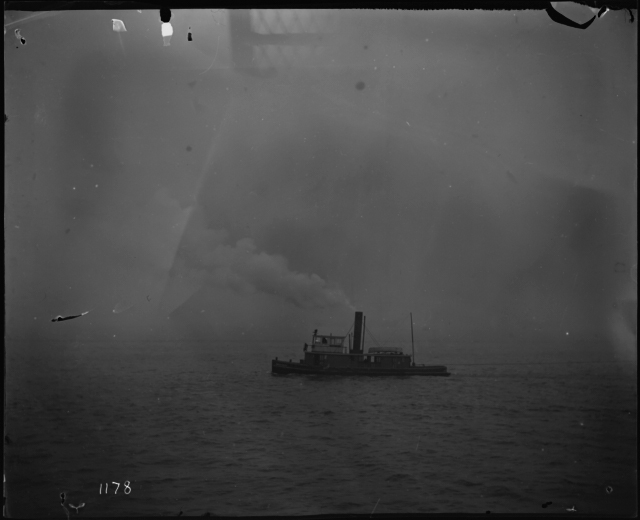 MS0094-1178 Amos D Carver
 P0003-01 - K-13985
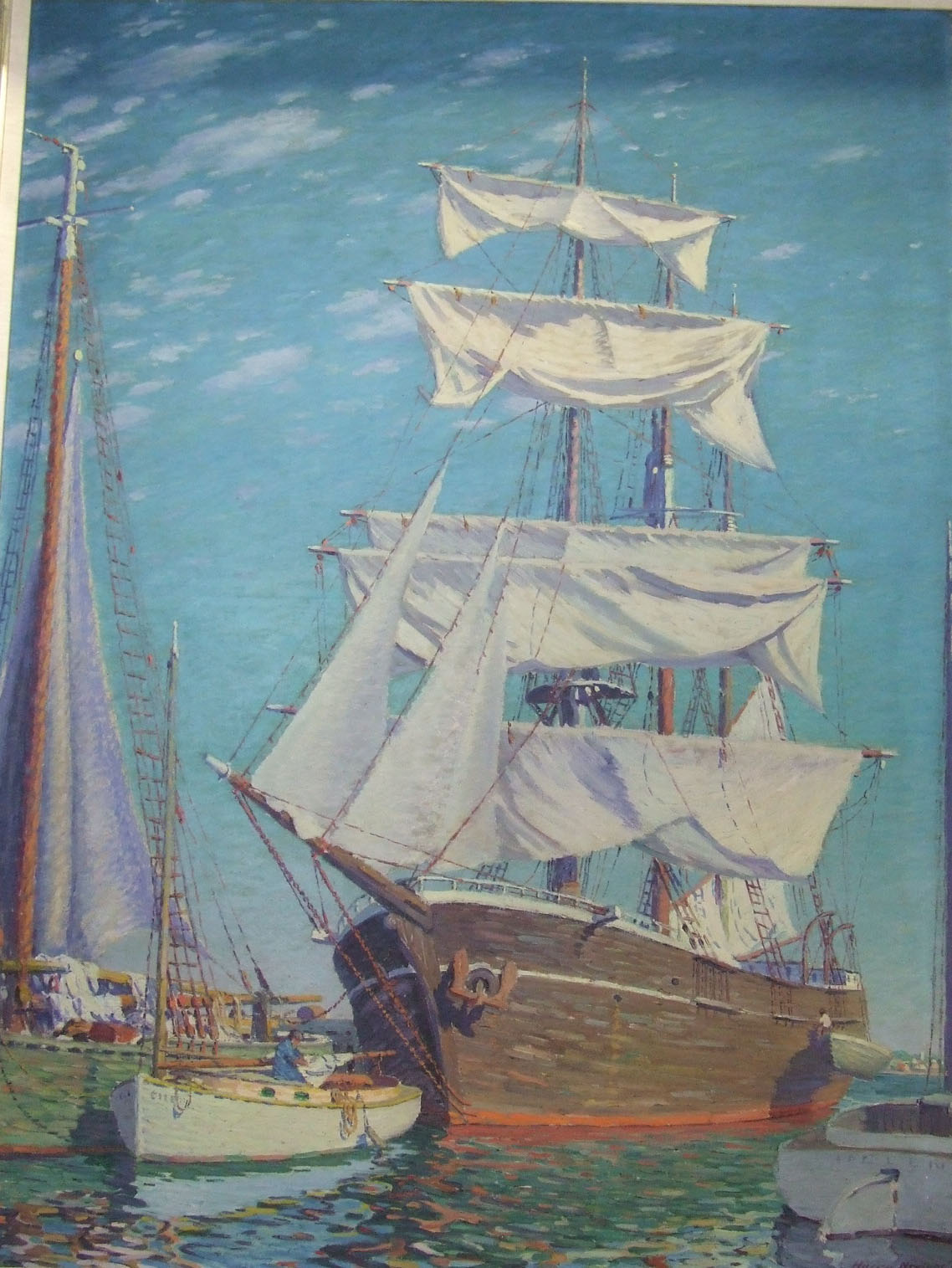 Full-size image
 P0003-01 - E-12063
 P0003-01 - L-5661
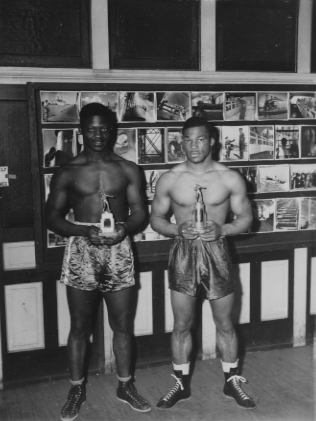 K-13986
 P0003-01 - K-15159
 P0003-01 - H-7483
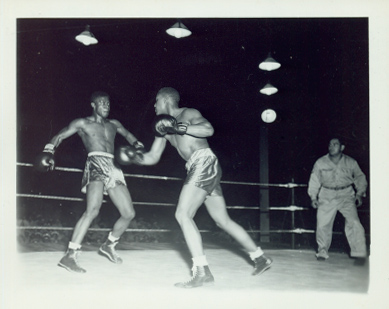 K15158
 P0003-01 - L-8224
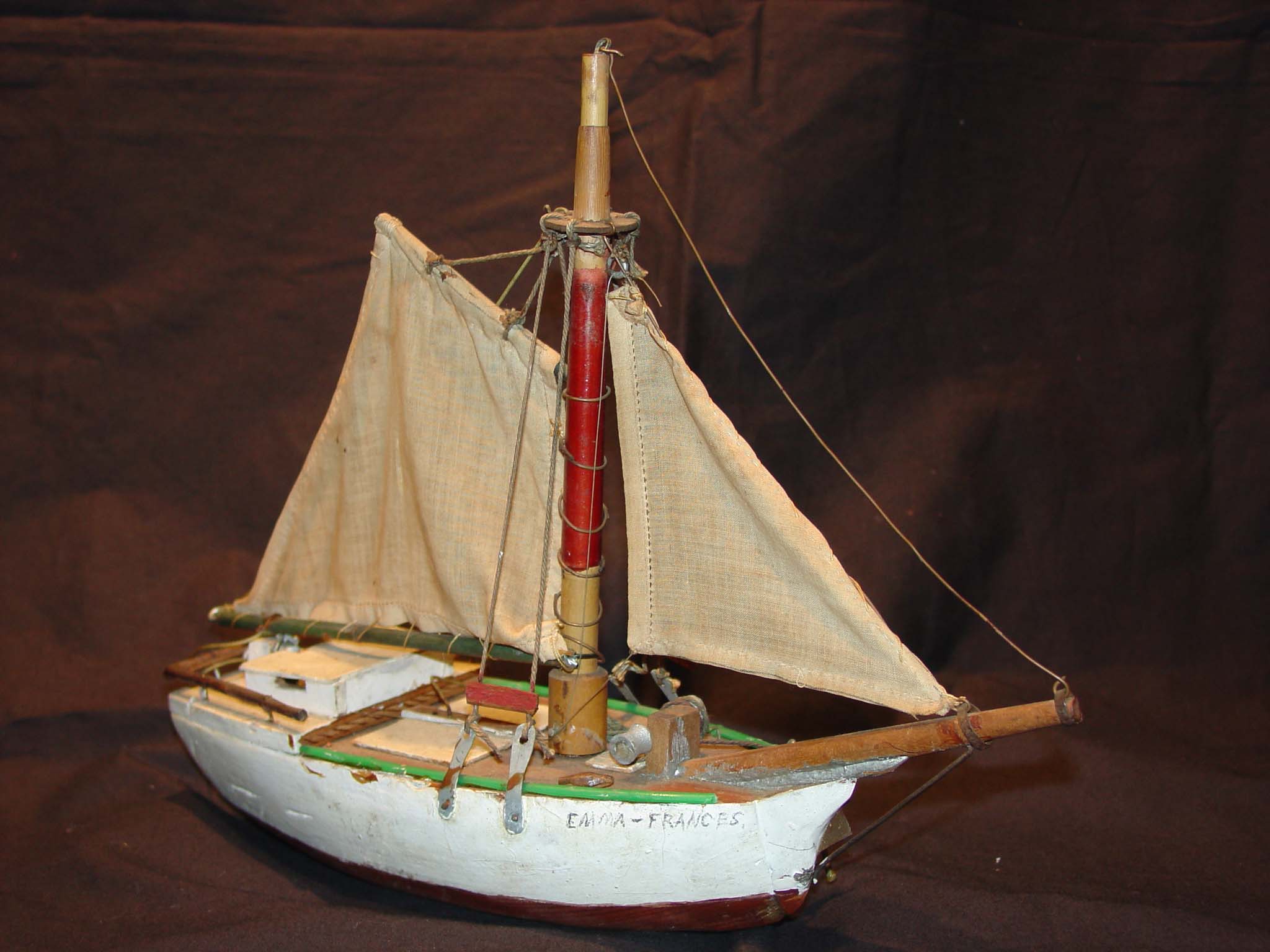 Full-size image
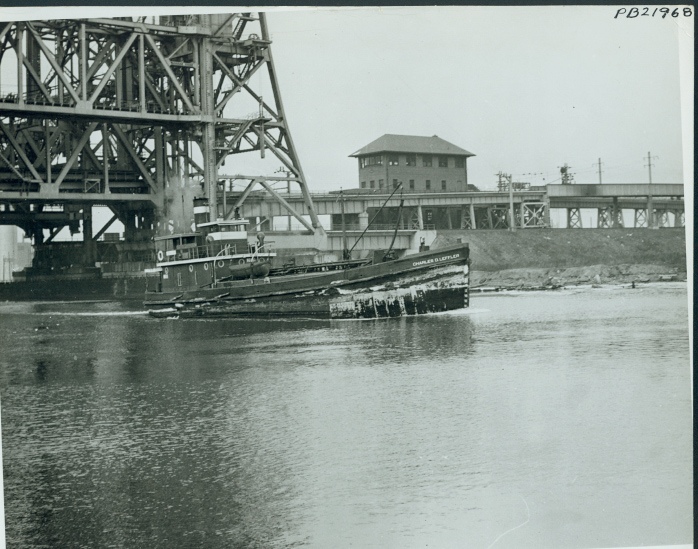 Full-size image
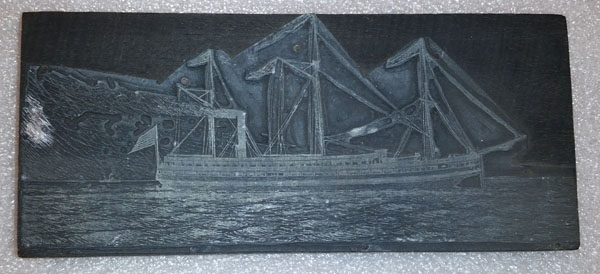 94-04-07
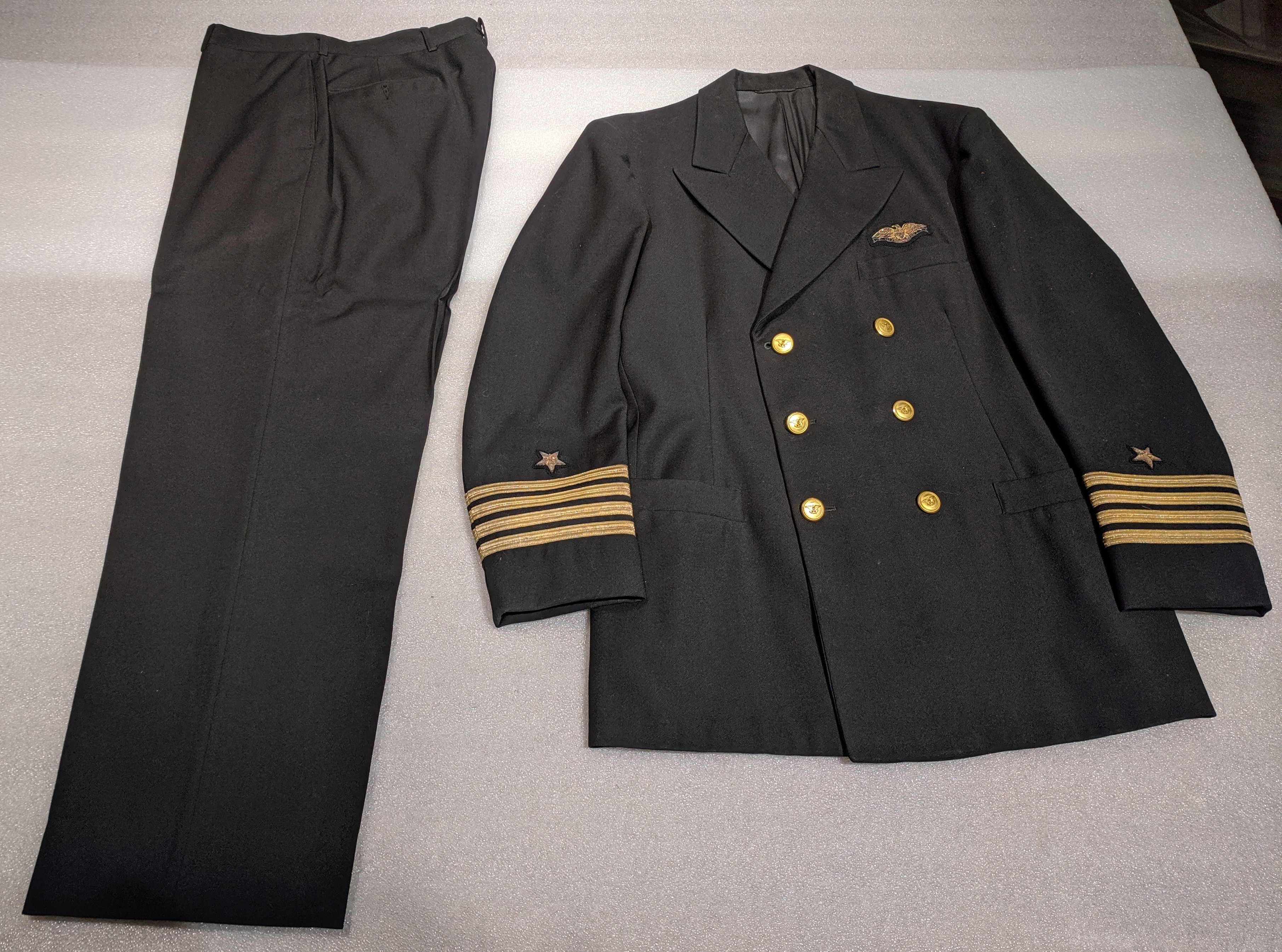 2019.0013.000001a-b
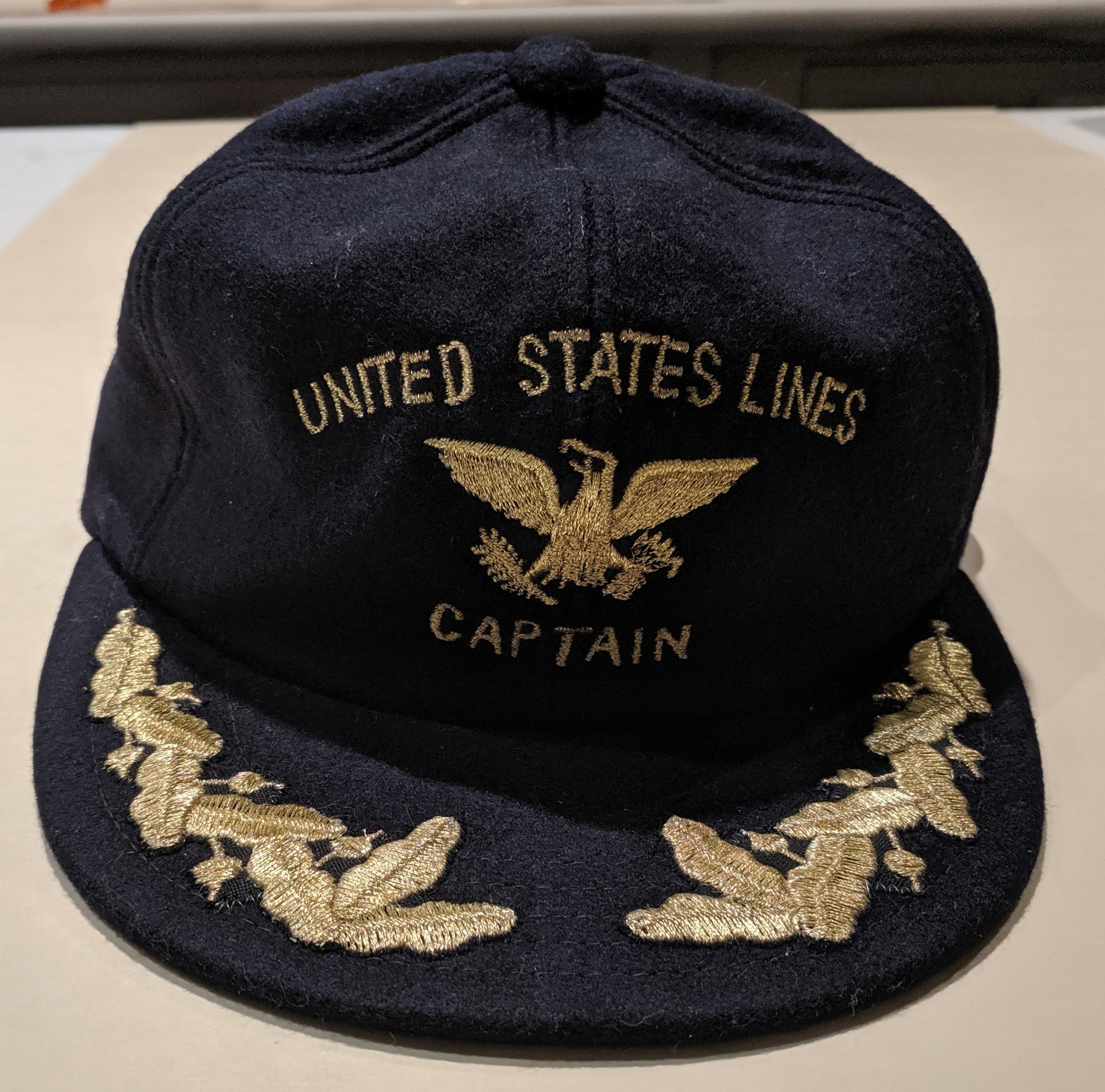 2019.13.02a
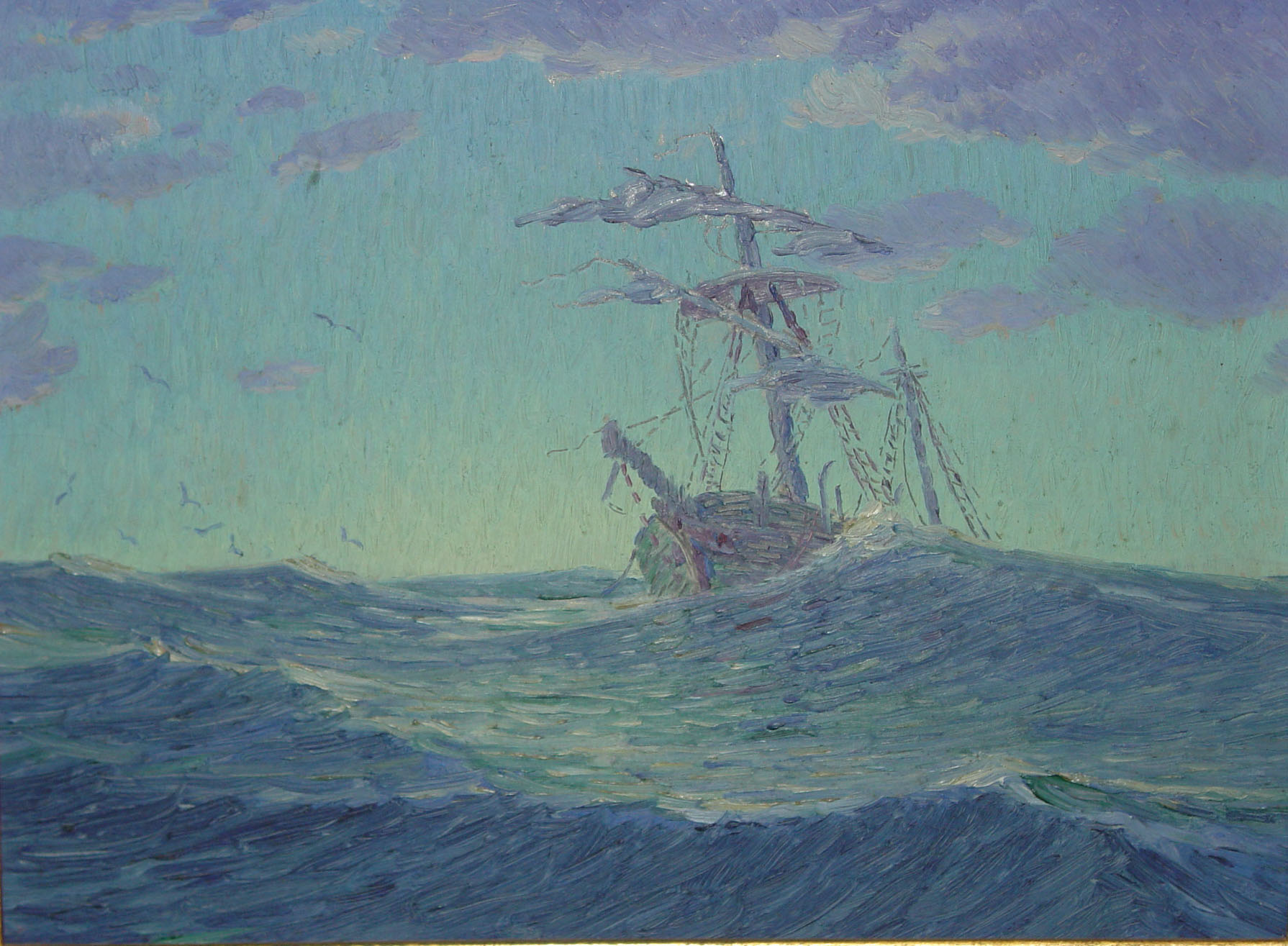 Full-size image
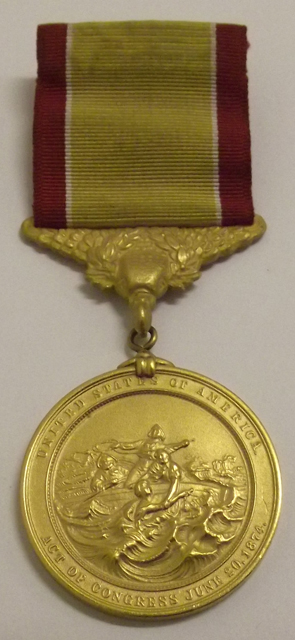 Full-size image
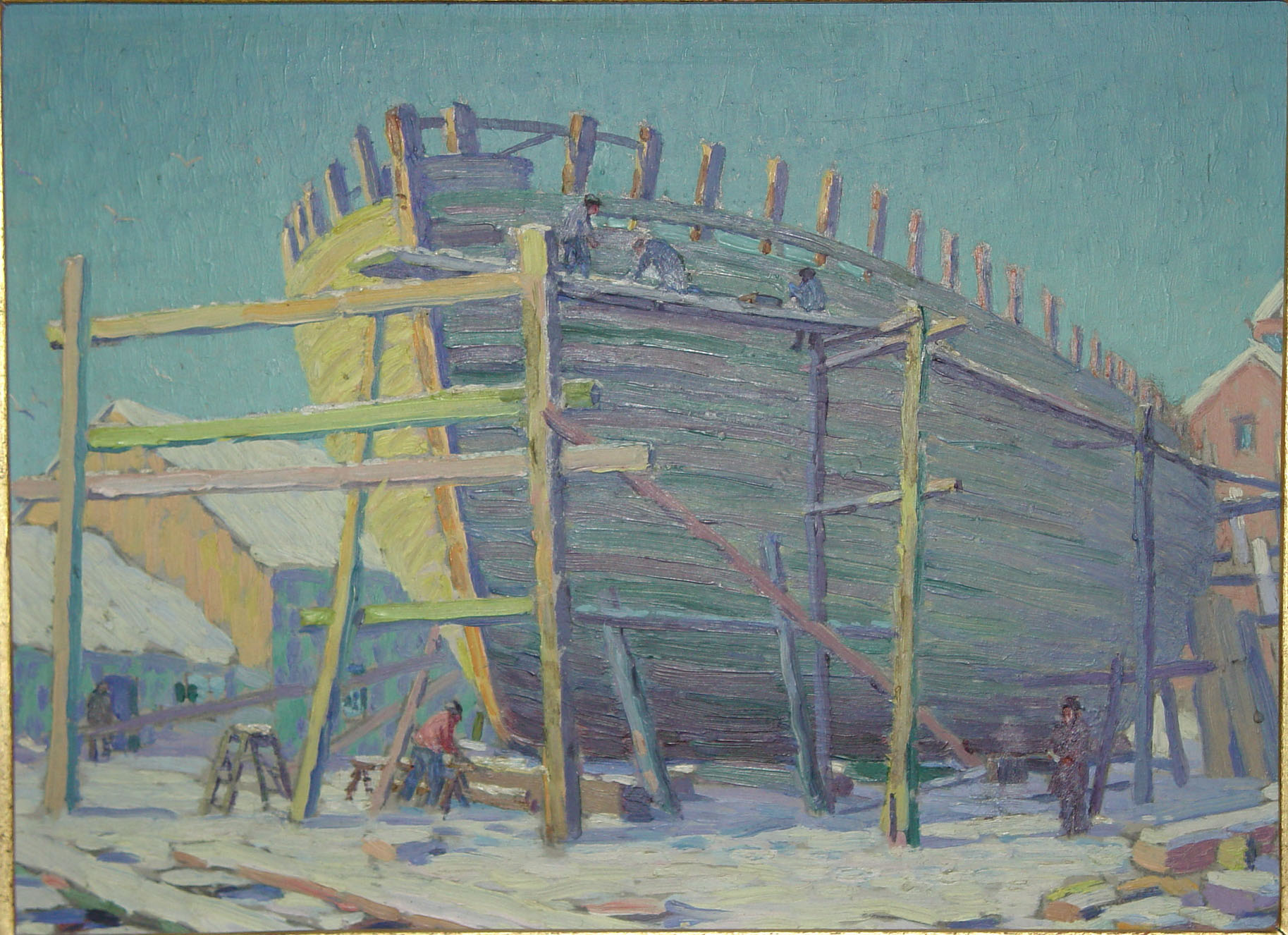 Full-size image
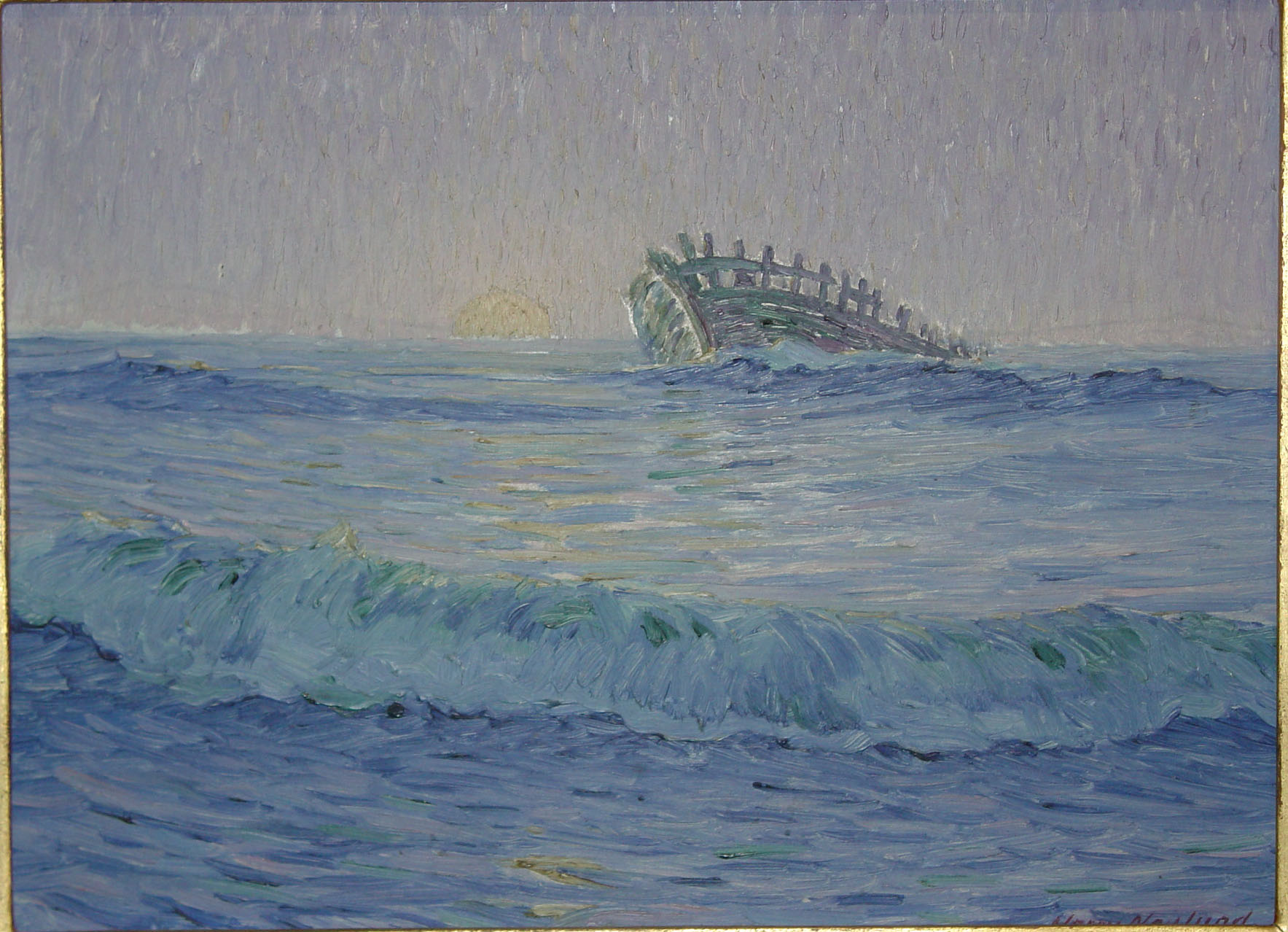 Full-size image
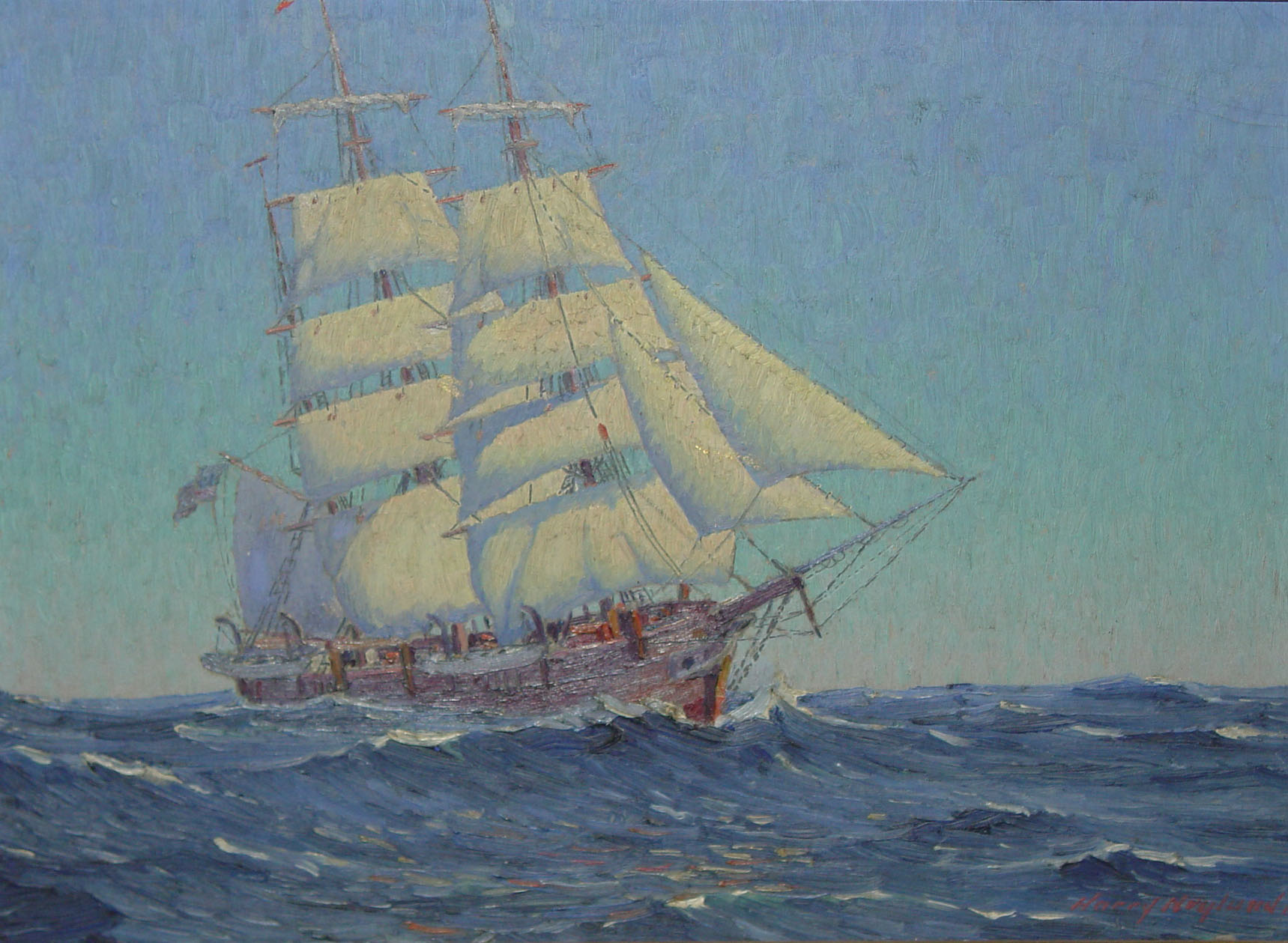 Full-size image
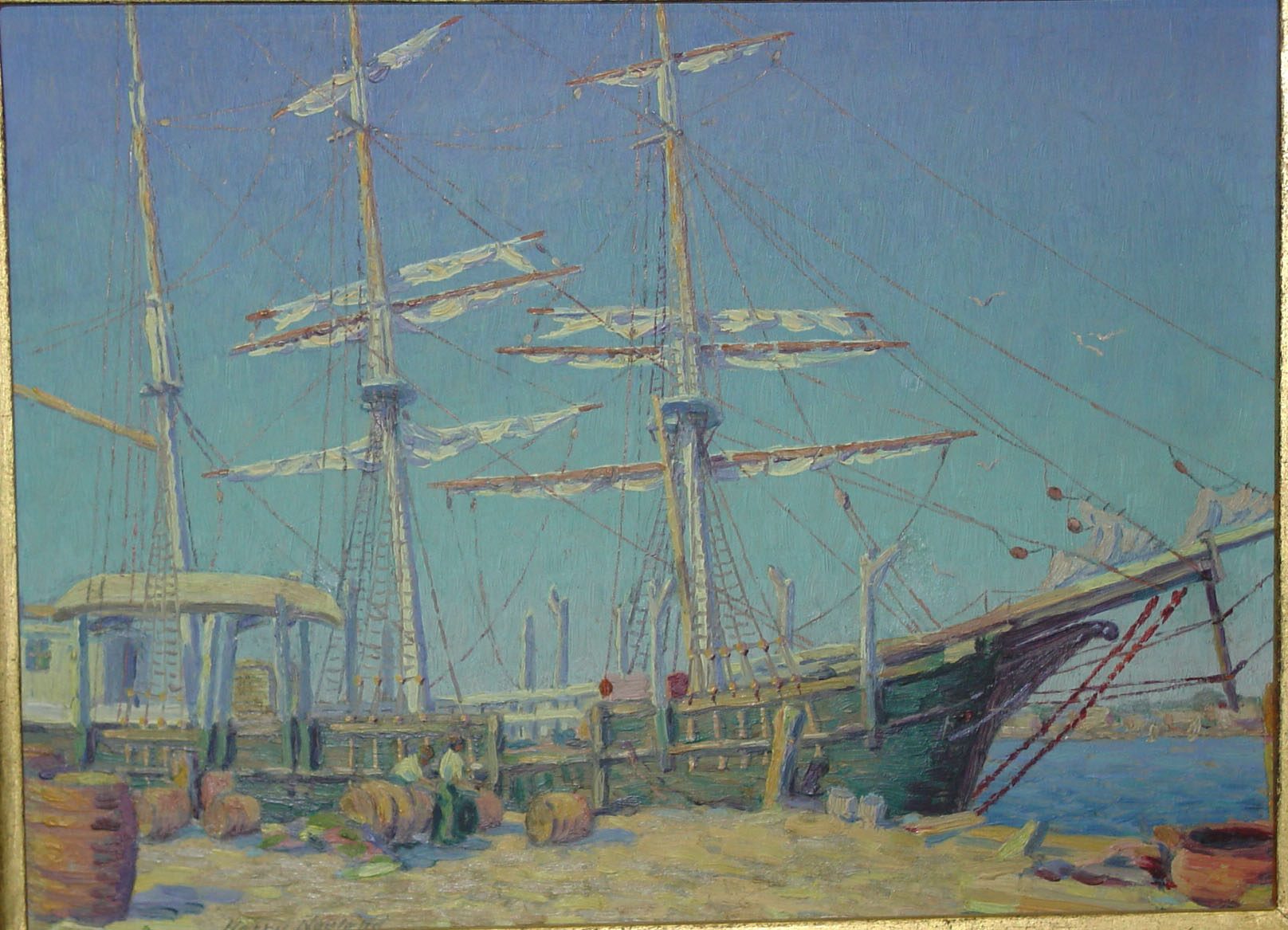 Full-size image
 Full-size image
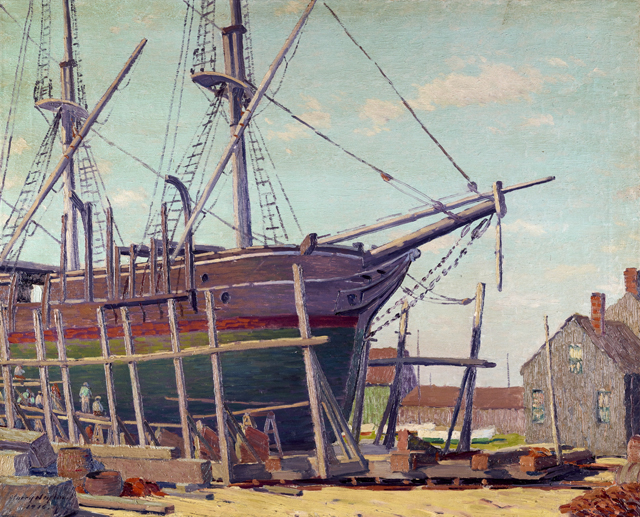 1933.0016.000001
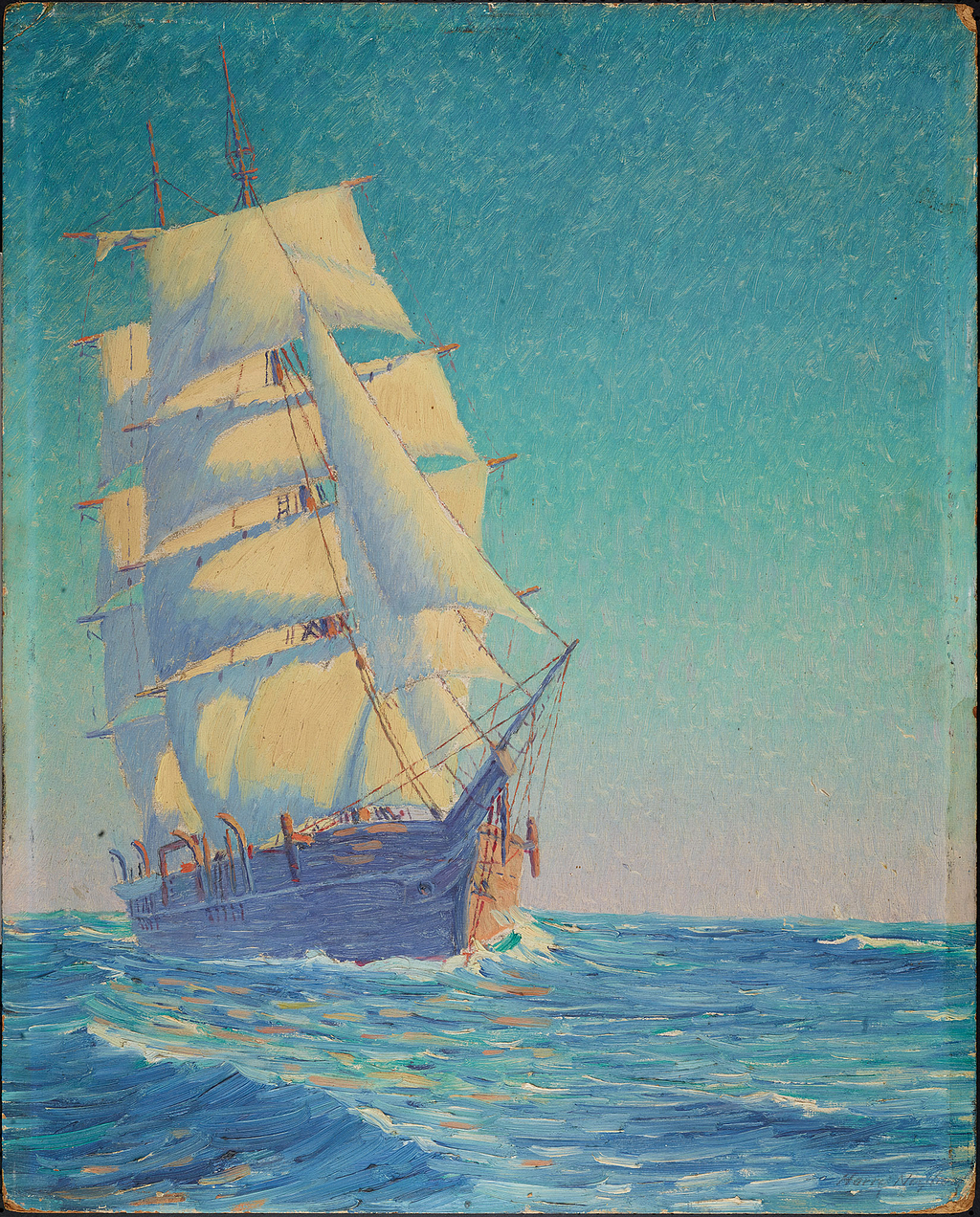 1933.0208.0000011
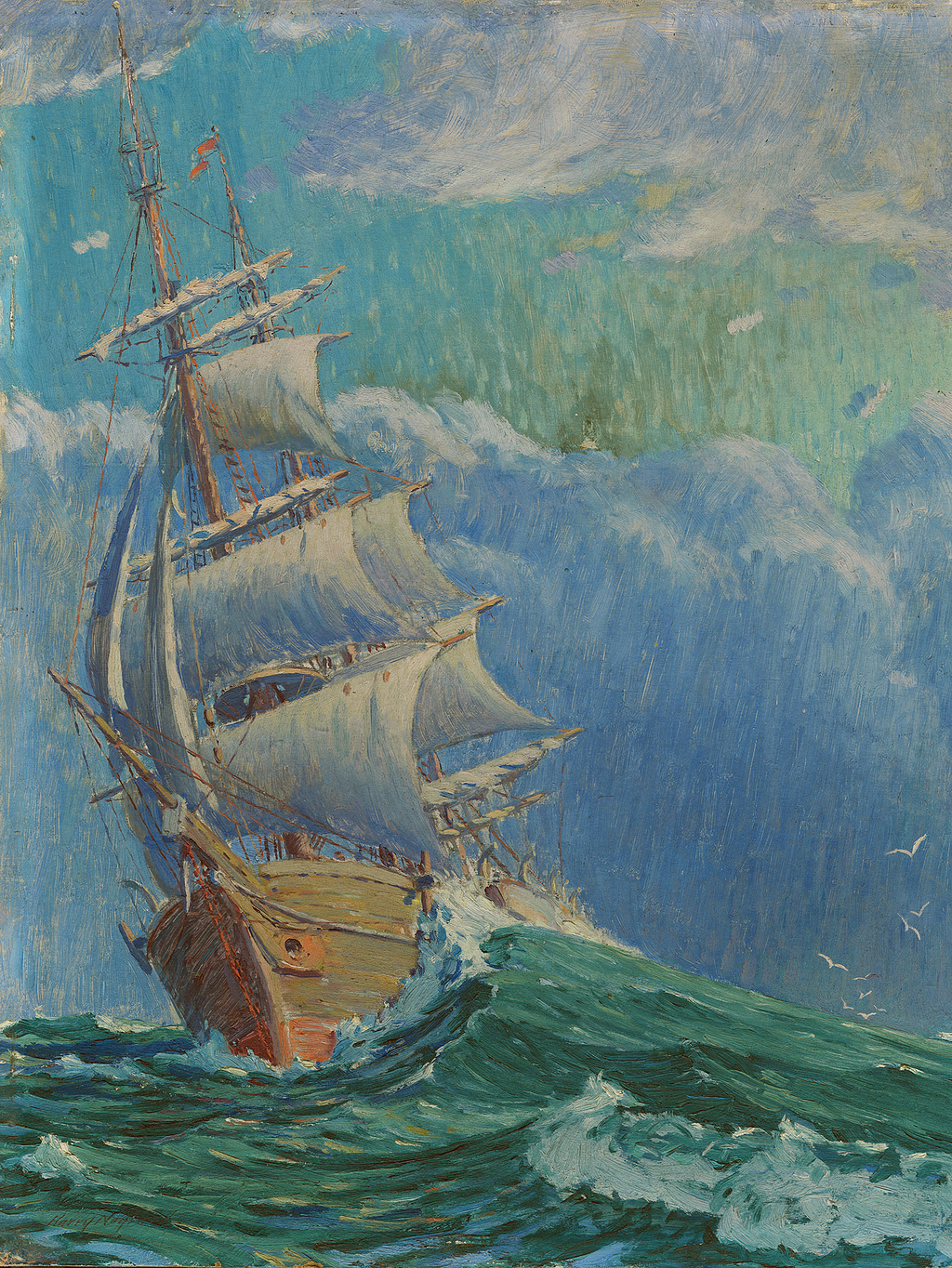 1933.0234.0000011
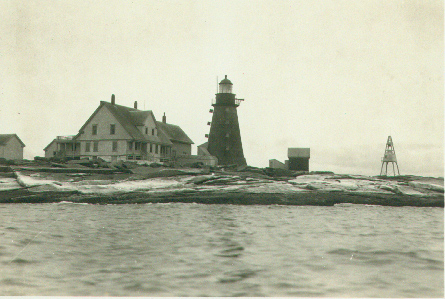 Full-size image
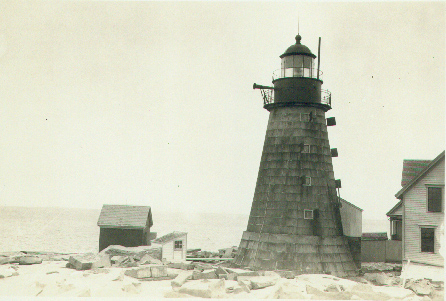 Full-size image
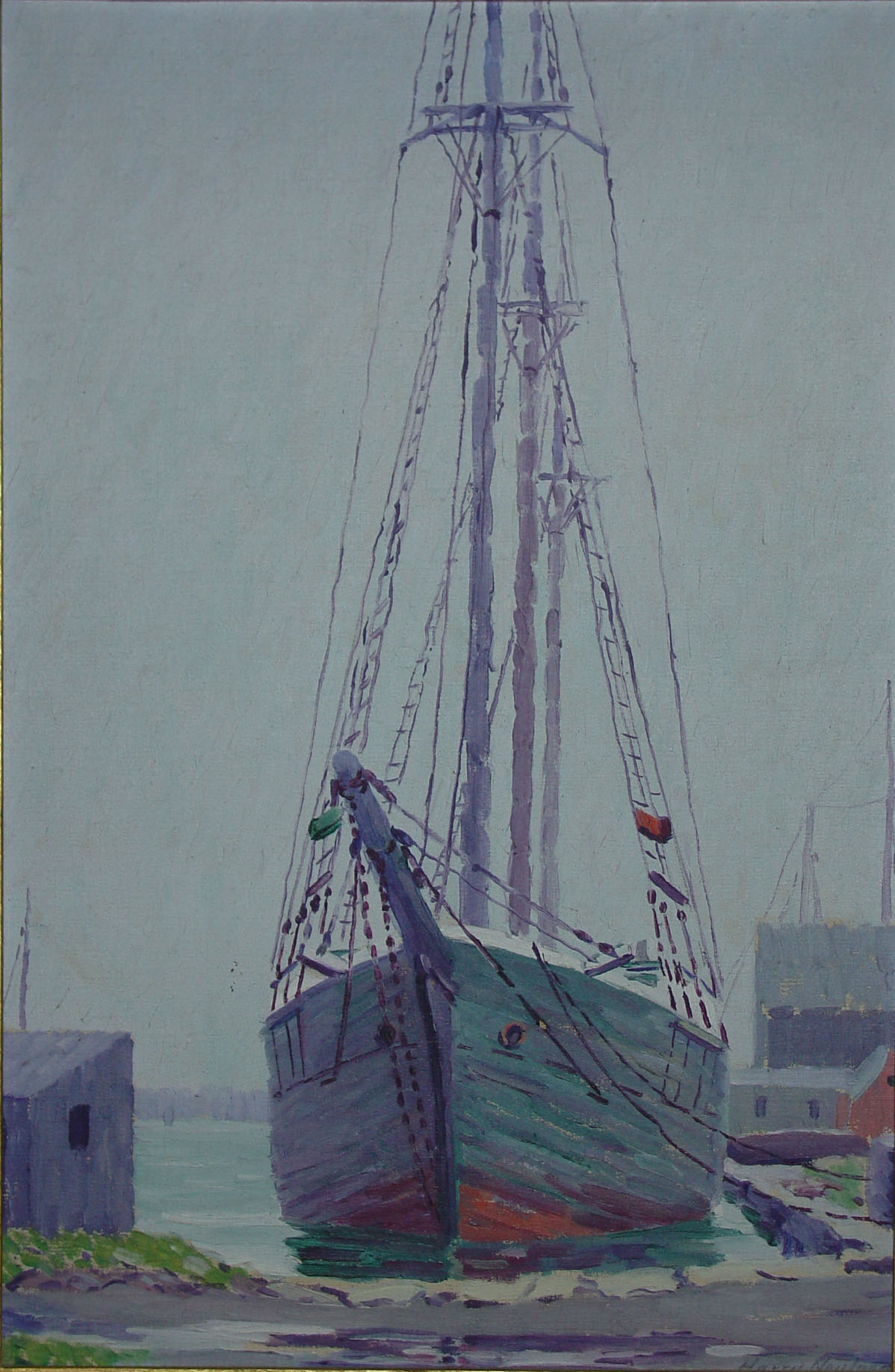 Full-size image
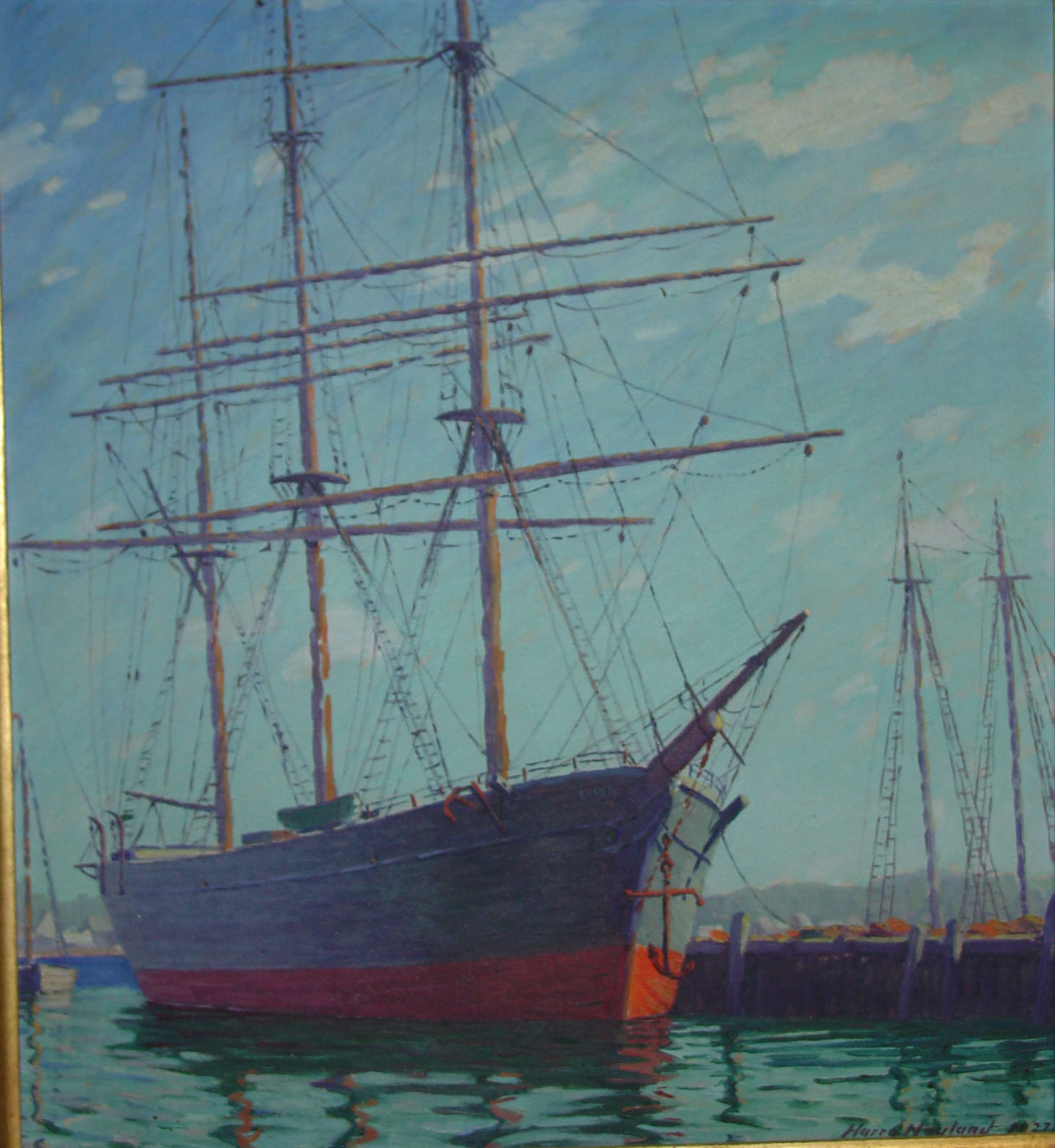 Full-size image